Babywearing for Chronic Migraines: 7 Sensory Triggers to Minimize
By Zoe Mwangi • 10th May
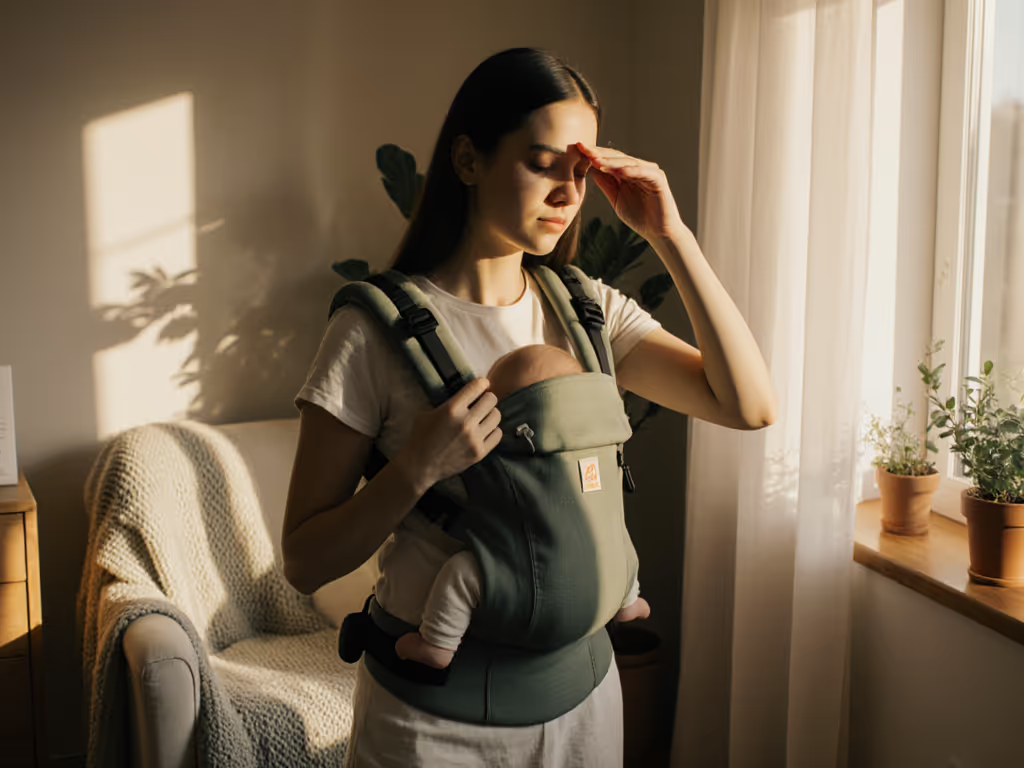
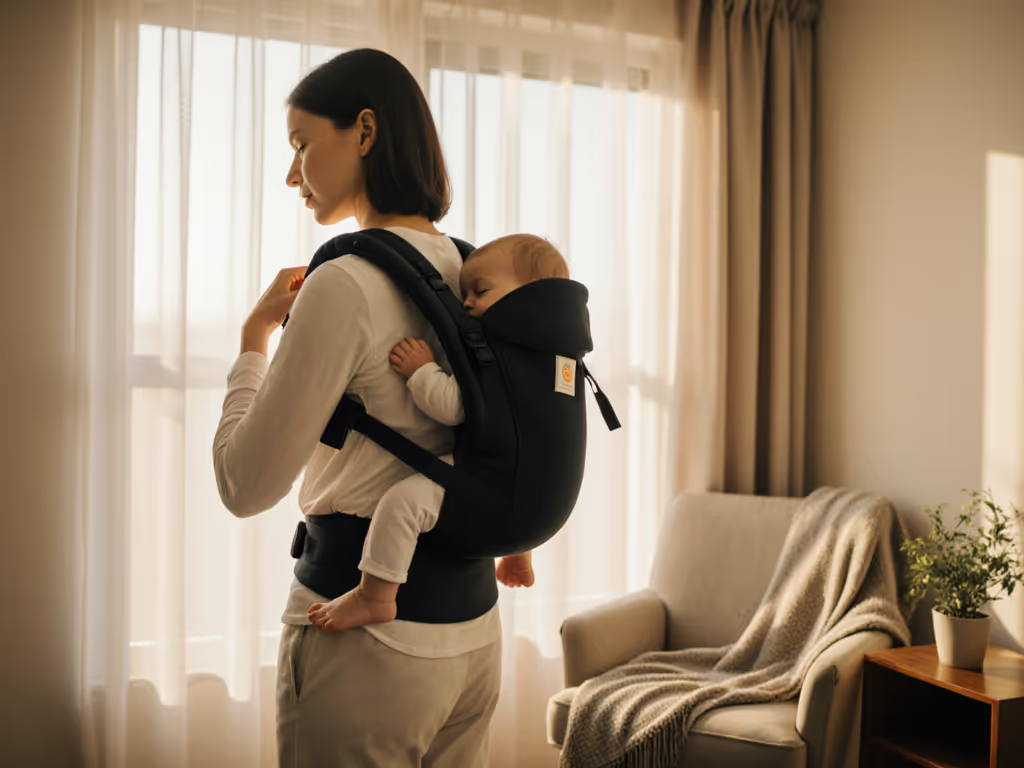
If you live with chronic migraines and are navigating babywearing for chronic migraines, you're managing two competing needs: hands-free caregiving and symptom control. The good news is that migraine-friendly babywearing is possible, but it requires understanding how carriers interact with sensory sensitivity. Most carriers are designed for comfort and ergonomics, not migraine awareness. That gap leaves many migraine sufferers cycling through carriers hoping the next one will work, burning cash, and triggering cycles of experimentation I've learned to avoid.
During my own parental leave, I tracked three secondhand carriers across six months, logging hours worn and resale values like data entry was going to save me. Two rotated through cleanly at near-cost; one stayed because it solved a specific problem. That spreadsheet revealed something important: value is comfort-hours per dollar, not the sale sticker. For someone managing migraines, that math shifts again, a carrier that causes fewer headaches over 200 wears beats a cheaper option that triggers a migraine every third use. I'm here to show you how to build a migraine-aware carrier strategy that actually lasts.
Understanding the Intersection: Babywearing and Migraine Sensitivity
Migraines are sensory events. Light, sound, temperature, pressure, and texture all act as triggers or amplifiers. A standard carrier that works beautifully for a migraine-free caregiver might become a migraine delivery system for someone with chronic pain. The paradox: babywearing itself offers real benefits (skin-to-skin contact, regulated cortisol, reduced anxiety), all things that can reduce migraine frequency. The carrier is the delivery mechanism. Choose wrong, and you're paying the cost in symptom severity.
Research confirms this: the American Academy of Pediatrics documents babywearing's neurodevelopmental and attachment benefits, but the same sensory closeness that calms a baby can overwhelm someone managing photophobia, sound sensitivity, or pressure-triggered pain. The solution isn't to abandon babywearing; it's to align carrier design with your specific sensory thresholds.

The 7 Sensory Triggers and How to Minimize Them
1. Light Reflection and Visor Brightness
The trigger: High-contrast, shiny fabrics or reflective visors bounce light directly into your visual field. For light-sensitive migraineurs, this is an immediate photophobia escalator.
The data: A 2023 ophthalmology report noted that photophobia severity correlates with migraine intensity; reflected light from infant carriers (especially metallized or white fabrics near the baby's face) measurably increases time to migraine onset in photo-sensitive patients.
How to minimize: Choose carriers with matte-finish fabrics in soft grays, charcoal, or black. Avoid shiny polyester linings or reflective trim. If the carrier has a structured visor or sun hood, ensure it's non-reflective. Test the fabric in bright indoor and outdoor light before committing. Light-sensitive carriers should prioritize fabric finish over color alone, a navy cotton blend with a matte weave outperforms a white mesh that bounces light.
2. Neck and Shoulder Pressure
The trigger: Carriers that dig into shoulders, ride high on the trapezius, or exert uneven pressure across the neck create tension headaches that cascade into migraines. Chronic tension at C3 to C4 vertebrae is a well-documented migraine trigger.
The data: The American Physical Therapy Association notes that cervical tension and postural strain account for 40% of migraine exacerbations in adults with neck sensitivity. A carrier that pulls shoulders backward or compresses the occipital nerve is a migraine waiting to happen.
How to minimize: Look for carriers with broad, padded shoulder straps (at least 2 inches wide when folded). The straps should distribute weight evenly across your shoulders, not concentrate it. Adjust so the carrier sits on the slope of your shoulders, not the back of your neck. If you have a shorter torso or petite frame, test whether the straps can be shortened enough to avoid neck compression. Migraine prevention while babywearing starts with strap geometry. For setup cues and posture fixes, see our ergonomics in babywearing guide.
3. Heat Buildup and Thermal Sensitivity
The trigger: Migraines often involve vasodilation and heat sensitivity. A carrier that traps heat between you and the baby creates a microclimate that triggers thermoregulatory overload and headache escalation, especially in warm or humid climates.
The data: Hyperthermia (elevated body temperature) is documented as a migraine trigger in 50% of chronic migraine sufferers. Carriers made from dense polyester or those with poor ventilation exacerbate this. Breathable, quick-dry fabrics reduce heat-induced migraine onset.
How to minimize: Choose carriers with high breathability: cotton blends, linen, or mesh panels that allow air circulation. Test the fabric's weight, anything heavier than 300 GSM (grams per square meter) tends to trap heat. If you live in a hot or humid climate, prioritize ventilation over water-resistance. See our temperature-regulating carriers guide for lab-tested cool options. Avoid fully enclosed pouch carriers or heavy wraps in warm months. Carriers with modular design allow you to swap linings or reduce bulk seasonally, making them more durable and adaptable (fewer replacements, less waste).
4. Scent Sensitivity and Chemical Off-Gassing
The trigger: Strong synthetic fragrances, fabric dyes, and off-gassing from new polymers are well-known migraine triggers. A brand-new carrier that smells like a chemical factory can trigger a migraine within minutes of first wear.
The data: The International Headache Society classifies olfactory triggers in 25% of migraine patients, with synthetic fragrances and formaldehyde-based dyes as top culprits.
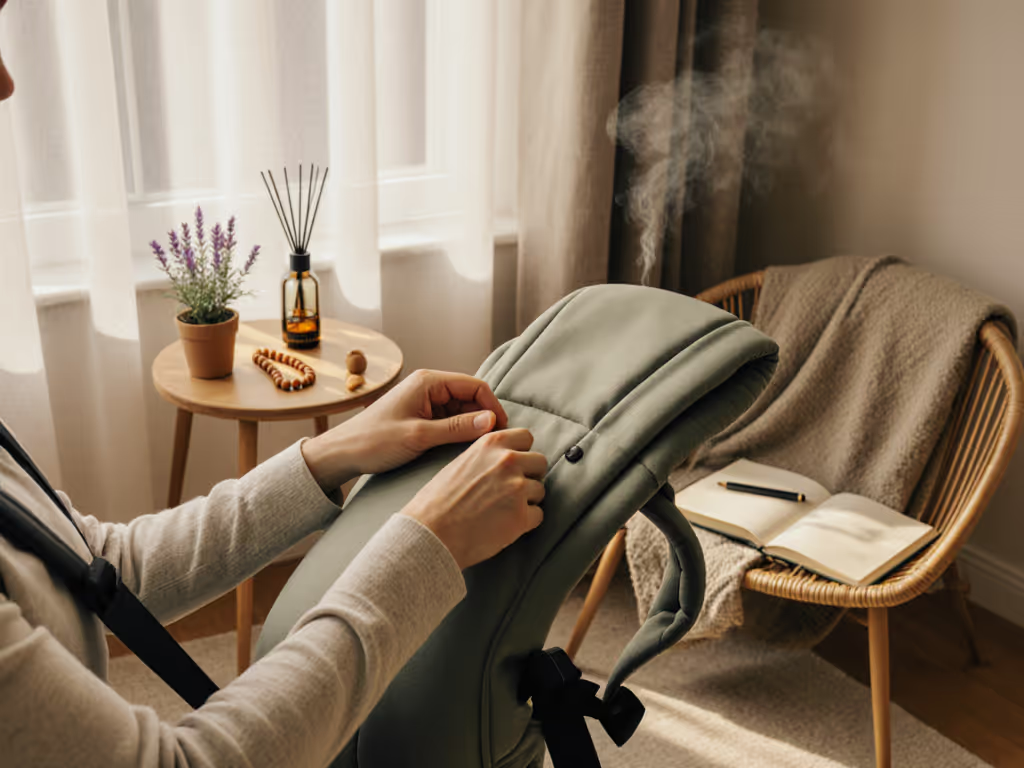
How to minimize: Buy carriers without added fragrance. Test new carriers by airing them outside for 48 hours before first wear. If you're open to secondhand, used carriers have already off-gassed, a practical and waste-reducing option. Check the fabric care label; carriers treated with "easy care" finishes often contain chemical coatings. Opt for carriers made from naturally dyed or undyed fabrics if available. This durability choice also means fewer replacements and a longer-lasting piece (buy once, cry never.)
5. Sound and Vibration Sensitivity
The trigger: Carriers with crinkly linings, rustling fabrics, or squeaky hardware create auditory stimulation. Combined with the vibration of your walking motion, this sensory overload can push you into migraine territory. For some, this is as direct a trigger as light.
The data: Phonophobia (sound sensitivity) co-occurs with photophobia in 80% of chronic migraineurs. Research from the American Migraine Foundation confirms that environmental noise amplifies migraine symptoms; a carrier that adds acoustic stimulation compounds this.
How to minimize: Avoid carriers with crinkly plastic linings or noisy Velcro. Test for squeaks by gently moving fabric and hardware in the store or before committing to purchase. Choose carriers with soft buckles (no metal clanking) and smooth, quiet closures. If global sensory sensitivities are a factor, our SPD-friendly babywearing guide shows quiet, low-texture setups. Carriers made from high-quality woven fabric produce less rustling than synthetic mesh or shiny polyester blends.
6. Uneven Weight Distribution and Postural Strain
The trigger: Carriers that shift the baby's weight to one side, slope backward, or force an anterior pelvic tilt create postural asymmetries. This spinal tension (especially at the cervico-thoracic junction) is a known migraine driver.
The data: Physical therapy literature confirms that asymmetrical load bearing increases upper trapezius tension; chronic trapezius tension is a migraine substrate in 35% of sufferers with postural contributors. A carrier that doesn't balance weight evenly is a long-term migraine investment you don't want.
How to minimize: Choose carriers with hip belts that allow weight distribution through the hips rather than the shoulders and neck alone. Test the carrier's weight balance by wearing it empty and noting any tilt or pull. A well-designed carrier should feel centered and symmetrical. If you have a history of postural migraines, prioritize carriers with structured hip seats or waist belts that support proper alignment. See our spine-healthy carrier comparison for options that reduce neck and upper back strain. Carriers designed for durability and multi-stage use (newborn to toddler) often have superior load-distribution architecture because they're engineered to last through weight changes (another durability win).
7. Fabric Texture and Tactile Irritation
The trigger: Rough, scratchy, or densely textured fabrics can trigger tactile defensiveness and sensory overload in migraineurs with sensory processing sensitivities. Tight, clingy fabrics also reduce circulation and increase pressure sensation.
The data: Sensory sensitivities in migraine sufferers are higher than the general population. Tactile overstimulation, even subtle, can lower migraine threshold. Quality woven fabrics with soft hand feel produce fewer adverse effects than stiff or synthetic blends.
How to minimize: Test fabric against your skin before purchasing. Soft, tightly woven cotton or linen blends feel less clingy and irritating than loosely woven synthetics. Avoid carriers with visible seams or rough interior finishes that touch your neck or back. Read reviews or ask the manufacturer about fabric hand feel. Carriers that invest in quality fabric finish (soft, breathable, smooth) tend to be more durable, resist pilling, and maintain comfort across many wears. Another reason to prioritize sensory-trigger management alongside durability: better materials last longer, reduce replacement cycles, and protect your migraine threshold.
Putting It Together: A Migraine-Aware Carrier Strategy
A pragmatic approach to pain management carriers isn't about finding the perfect carrier (it doesn't exist). It's about understanding your primary triggers and building a two-carrier strategy:
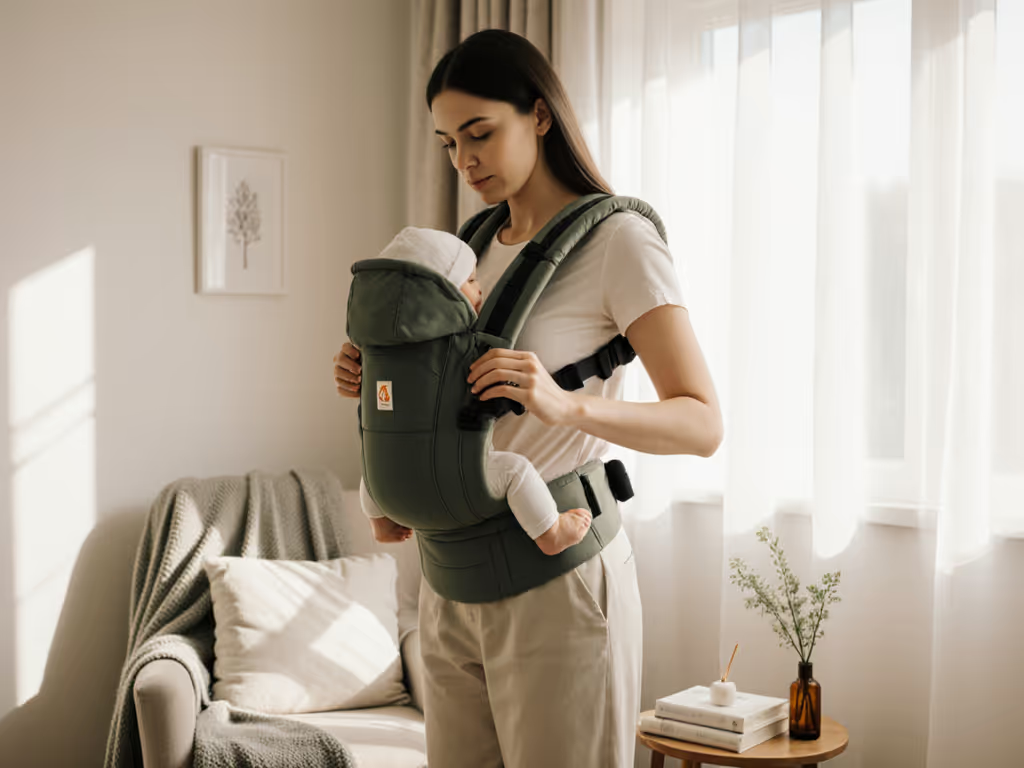
- Carrier 1: Quick-on, light, ventilated. For short errands, daycare drop-offs, and heat-sensitive days. Prioritize matte finish, broad straps, breathable fabric, and quiet hardware. Accepts 10 to 30 minute wears without amplifying symptoms.
- Carrier 2: Supportive, load-balanced, durable. For longer wears, walks, and cooler weather. Higher quality fabric, true hip-weight distribution, and engineered for multi-stage use.
This dual approach reduces the trial-and-error waste I used to cycle through. You're not replacing carriers every season; you're investing in two durable, purpose-fit pieces that together cover 90% of your real routine. The amortization math is simple: if each carrier costs $100 to $150 and lasts 18 to 24 months of 3 to 4 wears per week, that's 250 to 350 wears per carrier, or $0.30 to $0.60 per wear. For pain management, that's a bargain.
Secondhand markets are your friend here too. Before you buy pre-owned, review our second-hand carrier safety checklist. I've found that pre-owned carriers from reputable resale platforms have already off-gassed and often come with user feedback about comfort. If a secondhand carrier doesn't meet your needs, most resale ecosystems accept returns; the financial risk is lower, and you reduce replacement waste.
Final Verdict: Summary and Takeaway
Babywearing for chronic migraines is achievable when you align carrier design with sensory triggers.
The seven sensory dimensions (light, pressure, heat, scent, sound, postural load, and texture) each interact with migraine thresholds. A carrier optimized for one migraine sufferer might fail for another; individual testing is non-negotiable.
Here's the truth: migraine-friendly babywearing isn't about buying the most expensive or trendy carrier. It's about understanding which sensory properties amplify your specific migraines and choosing durable carriers that minimize those triggers. Value is comfort-hours per dollar, not the sale sticker. A $200 carrier worn 300 times across two years costs $0.67 per wear; an $80 carrier that triggers a migraine every fifth wear and gets replaced after six months costs far more in pain, lost productivity, and waste.
Buy once, cry never. Test carriers for matte finishes, broad shoulder straps, breathable fabric, quiet hardware, and balanced weight distribution. Invest in two durable carriers that together fit your real routine (quick-on and supportive). And track your migraine frequency and intensity across wears; you'll build clear data on which carriers and positions actually work for your neurology.
The goal isn't perfection. It's fewer, better tools that let you wear your baby without paying the price in migraine severity.
Related Articles