Babywearing for Chronic Migraines: Comfort Without Triggers
By Linh Pham • 16th Apr
When chronic migraine and new parenthood collide, many caregivers assume babywearing won't help, that the physical closeness might trigger headaches, or that managing pain while carrying a baby is simply incompatible. The reality is more nuanced. Babywearing for chronic migraines can be both feasible and protective when the fit supports your body and the wearing strategy respects your sensory and physical limits. This guide walks you through how to use migraine-friendly babywearing as a practical tool, not an additional stressor.
Understanding Postpartum Migraine and New Caregiving Demands
The postpartum period brings a convergence of migraine triggers: hormonal shifts, sleep fragmentation, skipped meals, dehydration, and the relentless physical demands of holding, feeding, and soothing a baby.[2] If you have a history of chronic migraine, these weeks can intensify frequency and severity. Ironically, many of the strategies that ease migraines (rest, hydration, stable posture, and gentle movement) feel impossible when you're tending to an infant.
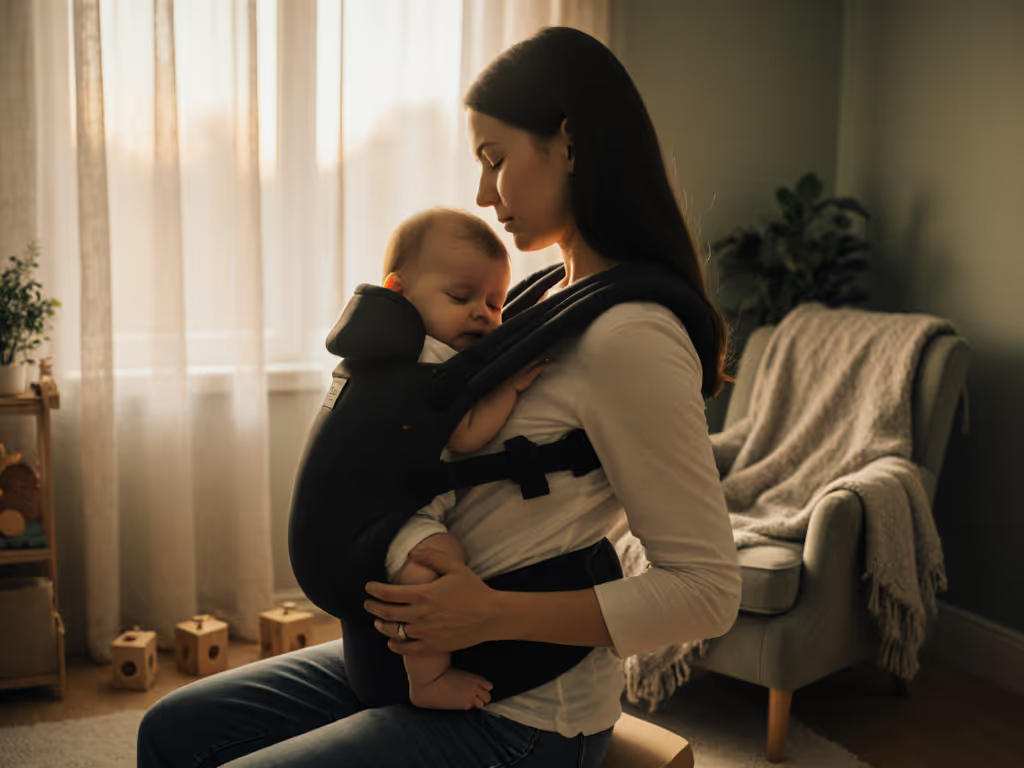
Babywearing doesn't erase these triggers, but it removes one major source of strain: the repetitive, one-sided burden of carrying a baby in your arms during errands and transitions. When a carrier fits your body well, your posture improves, your hands remain free to manage meals and water, and your nervous system receives calming input from closeness and gentle movement, all elements research confirms support migraine management.[1][6] The key is understanding that comfort is a posture achieved, not a promise on packaging. The carrier must work for you first.
Why Fit Matters When You're Managing Pain
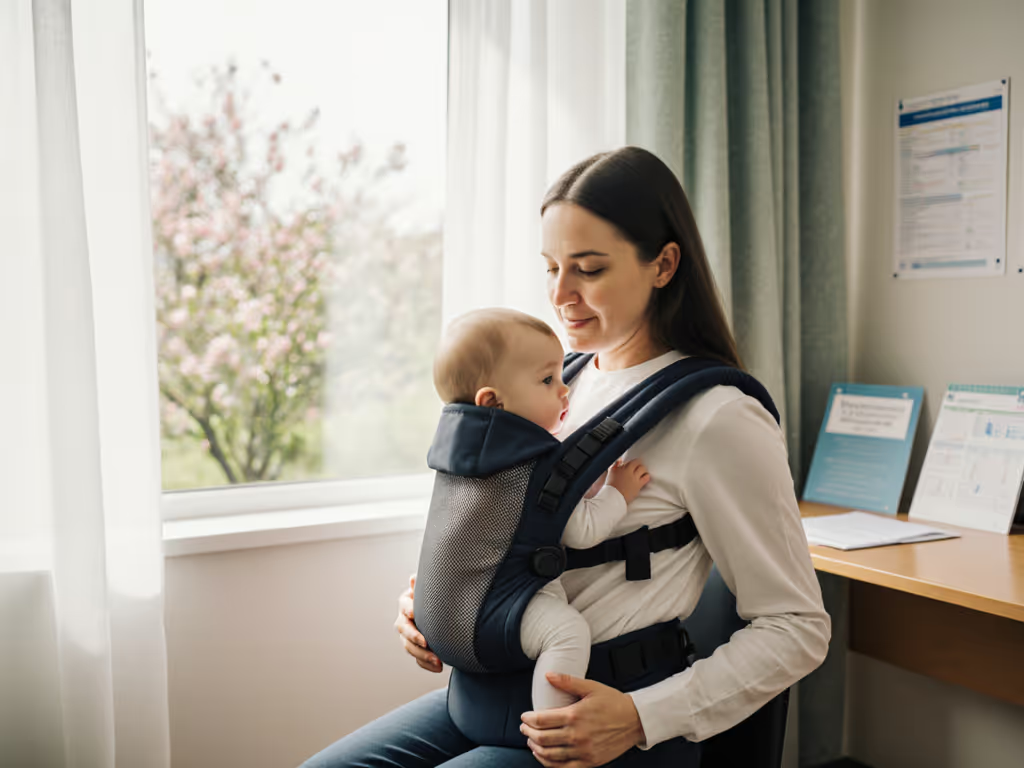
Three weeks after my daughter's birth, I ran a grocery trip in a soft wrap I'd received as a gift. Twenty minutes in, my lower back ached, my shoulders hunched forward, and a migraine prodrome began. I came home, measured my panel height and seat width, and switched to a structured carrier with micro-adjustable straps. That same errand, ten minutes in, my pain eased and my posture straightened. The difference wasn't the carrier type (it was the fit).
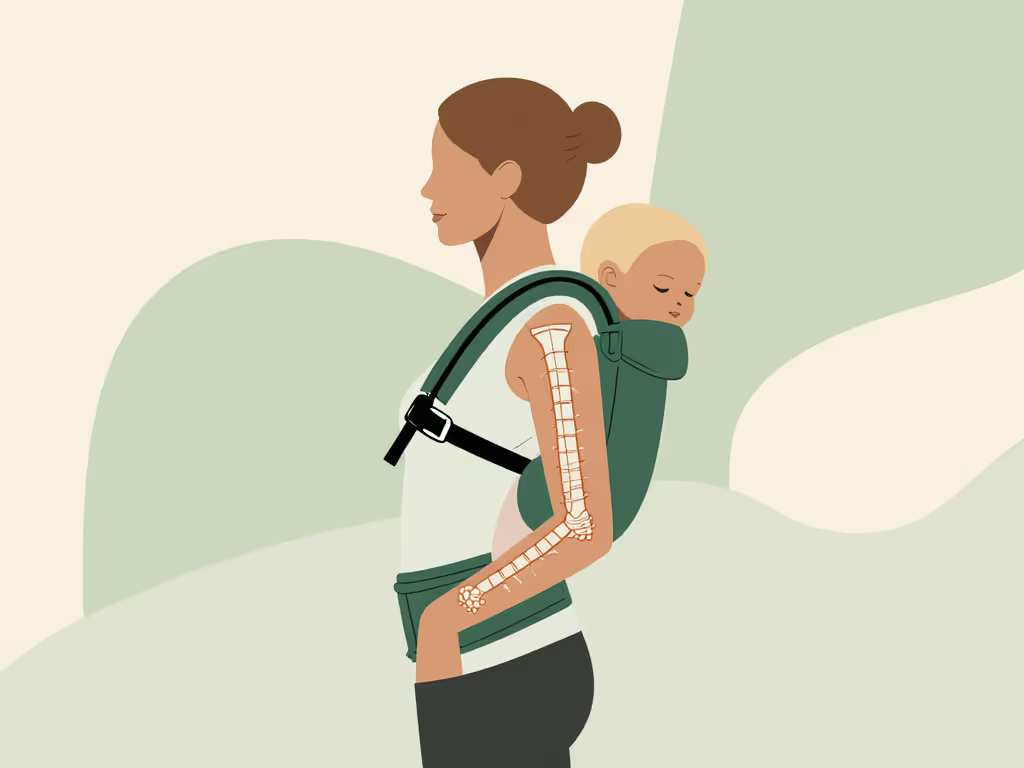
For someone managing chronic migraine, poor positioning amplifies three pain pathways: neck tension from forward-leaning posture, shoulder strain from straps sitting incorrectly, and lower-back compensations from uneven weight distribution. A properly fitted carrier distributes the baby's weight across your stronger core and hip structures, keeps your shoulders relaxed, and maintains neutral spine alignment. This isn't luxury. It is load management. If back pain accompanies your migraines, see our spine-healthy carrier picks for options with proven lumbar support.
Sensory Trigger Management in Carriers
Beyond fit, sensory-trigger management is central to migraine prevention during babywearing. Many people with chronic migraine experience photophobia, motion sensitivity, or localized pressure that precipitates attacks.
Light sensitivity and fabric choice If you experience light sensitivity, carrier fabrics and positioning affect how much ambient light reaches your eyes. Structured carriers with padding create subtle shading; lightweight wraps offer less barrier. Light-sensitive carriers (or the strategic use of a hat or visor while wearing) can reduce symptoms. Note whether wearing outdoors worsens your migraines, then adjust fabric choice or timing accordingly.
Motion and rhythm Smooth, consistent walking (the kind many babies find soothing) is gentler than jerky movements. If babywearing on errands feels fine but stair-climbing or uneven terrain triggers pain, confine wearing to lower-motion activities.
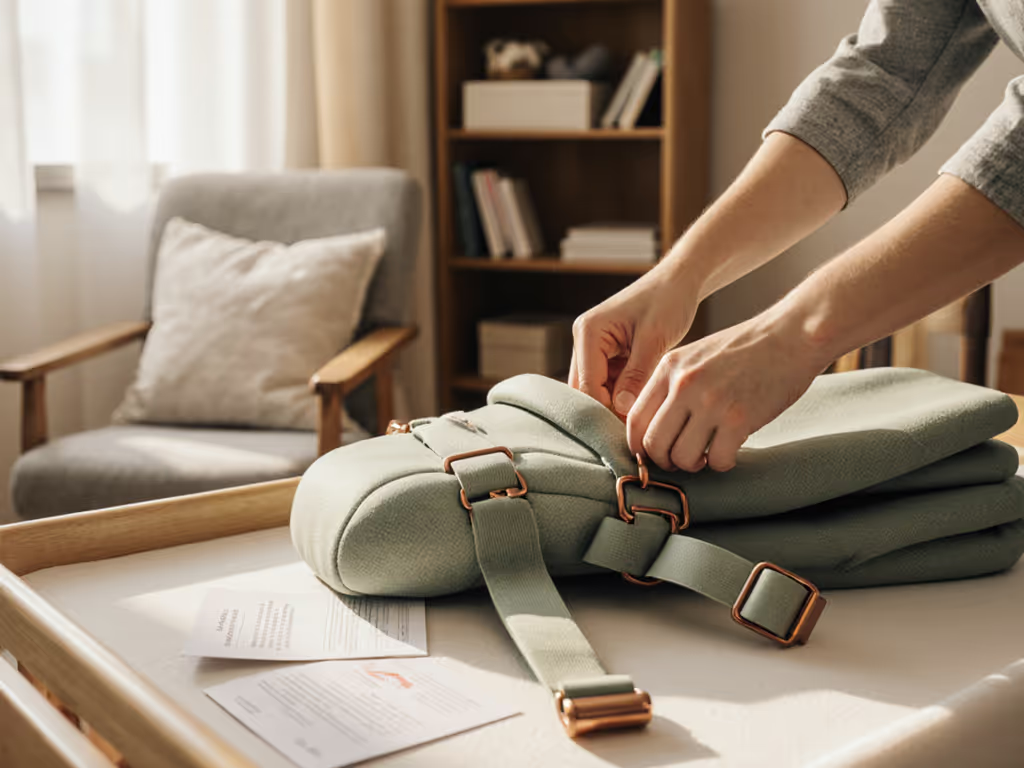
Pressure points Tight shoulder straps, a waist belt pressing on a tender postpartum belly, or a carrier digging into your collarbone can trigger localized pain that spreads into migraine. Micro-adjustability is essential. Straps should feel supporting, not pinching. If you're still chasing hot spots or numbness, follow our troubleshooting checklist to fine-tune strap paths and tension. A carrier allowing independent left-right strap adjustment gives you control to favor a less tender side if needed.
Practical Fit Checklist for Migraine-Safe Wearing
Before each wearing session, use this quick checklist:
- Panel height: Does the carrier support your baby from knee to knee, keeping their hips in an M-position?
- Strap width and path: Are straps crossing the fleshiest part of your shoulders, or riding toward your neck?
- Strap length: Can you fasten comfortably without over-reaching behind you?
- Waist belt position: Is it at your natural waist, not pressing into a tender postpartum abdomen?
- Load balance: Does the baby's weight feel centered on your hips and chest, or does it pull you asymmetrically?
- Breathing ease: Can you take a full breath without the carrier restricting your diaphragm?
This checklist takes under two minutes, and can prevent hours of discomfort.
Pain-Management Carriers and Wearing Windows
Pain management carriers (those designed with extra back support, padded straps, and waist-load transfer) suit longer outings or caregivers with existing shoulder or back pain. They typically take 1-2 minutes to don correctly but offer 2-4 hours of comfortable wear.
Real-world wearing windows:
- Quick errands (under 30 min): Lightweight wrap; minimal strap adjustment.
- Household tasks or walks (30-90 min): Structured carrier with micro-adjustable straps; hands-free functionality.
- Longer outings (90+ min): High-support carrier with lumbar panel; suitable for travel or full-day activities.
If wearing longer than your comfortable pain-free window, plan handoff points: take the baby down, shift weight, stretch, hydrate, and resume. Comfort carries competence, and competence includes knowing your limits.
Integration with Other Migraine Strategies
Babywearing is one tool, not a cure. Pair it with concurrent migraine management:
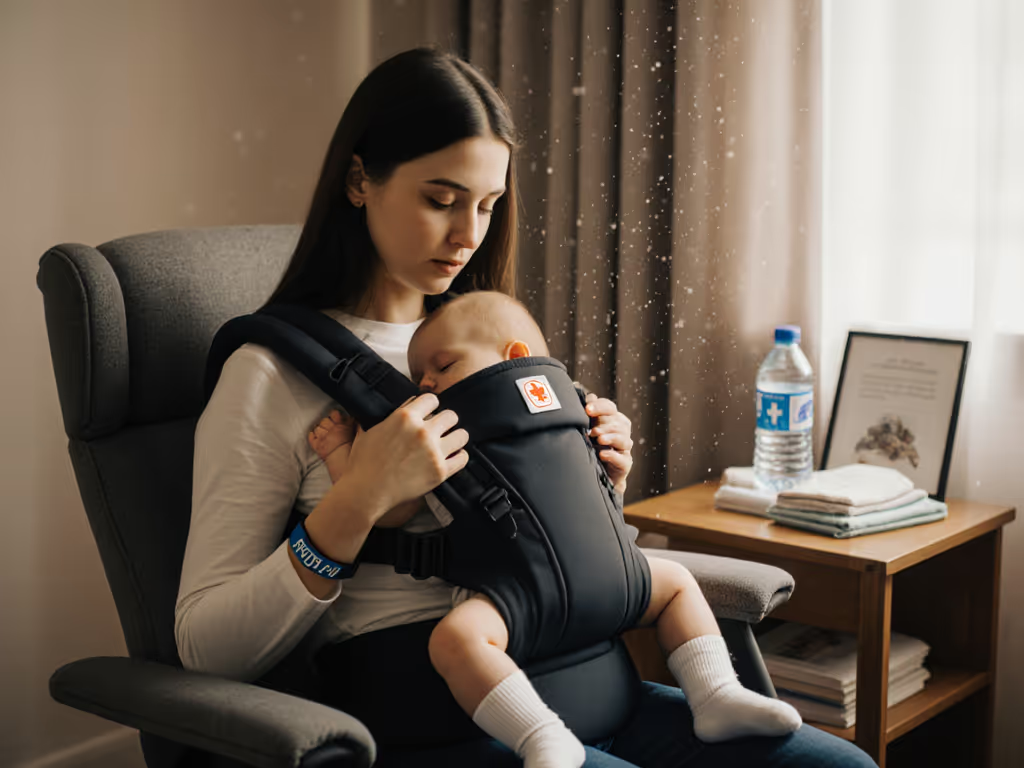
- Hydration: Free hands allow consistent water intake; dehydration is a major trigger.[2]
- Eating regularly: Hands-free carrying enables snacking and meals, reducing hunger-triggered migraines.
- Sleep support: If a partner takes night shifts, you preserve rest, a critical migraine preventive.[6]
- Medication safety: Consult your doctor about which migraine medications are compatible with breastfeeding and babywearing.[4]
- Preventive movement: Gentle walking during babywearing combines activity, fresh air, and stress relief, potential migraine preventives.[1]
When to Step Back
Babywearing isn't appropriate if:
- The carrier, no matter how adjusted, consistently triggers shoulder, neck, or back pain.
- You experience migraine attacks while wearing and feel unsafe managing your baby during pain.
- Your postpartum body has specific contraindications (recent spinal surgery, severe diastasis causing pain).
- Wearing increases anxiety rather than alleviating it.
Use alternatives (safe sleep spaces, strollers, co-sitters) without guilt.
Actionable Next Steps
- Assess your migraine pattern: Track 3-5 days of wearing and note headache frequency, intensity, and timing. This baseline clarifies whether babywearing is triggering, neutral, or protective for you.
- Prioritize fit over popularity: Choose a carrier based on your torso length, shoulder width, and comfort window, not reviews or peer preferences. Borrow or try-before-you-buy if possible. To compare styles side by side, see our carrier types breakdown.
- Test incrementally: Start with a 15-30 minute session at a low-stress time. Observe how you feel 2-4 hours later. Extend duration only if you felt no worse or better.
- Use the fit checklist before each session: Postpartum bodies shift; babies grow; strap fibers settle. A 90-second reset prevents creeping tension.
- Communicate with your support network: Let caregivers know that babywearing isn't an excuse to defer your migraine needs. You still require sleep, nutrition, and medication access.
- Revisit with your healthcare provider: If babywearing feels sustainable and your migraine pattern improves, excellent. If it remains a trigger, discuss alternatives (medication, behavioral therapy, stroller use) with your doctor.
Babywearing, when fitted to your body and woven into a broader migraine-management strategy, transforms the postpartum period from a conflict between closeness and comfort into a both-and. Your baby benefits from connection and regulation; you benefit from pain reduction and hands-free agency. That alignment between your body's needs and your baby's, that is where competence and calm are born.
Related Articles