Organic vs Conventional Baby Carriers: Eco-Certified Test
By Maya Ortiz • 5th Dec
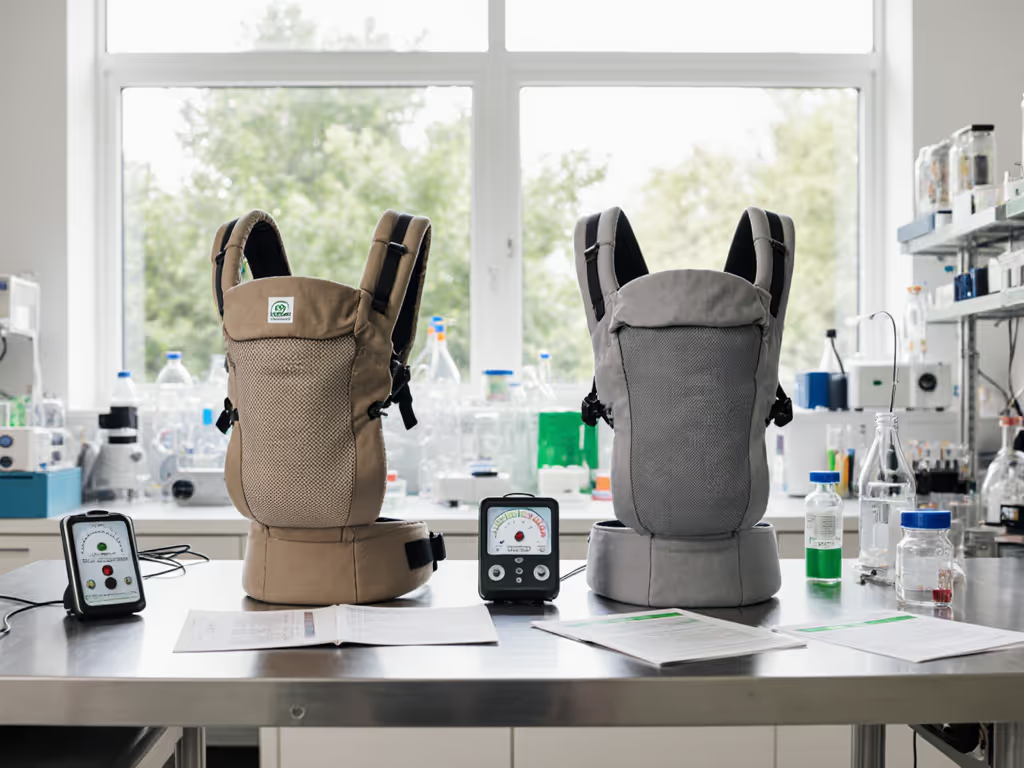
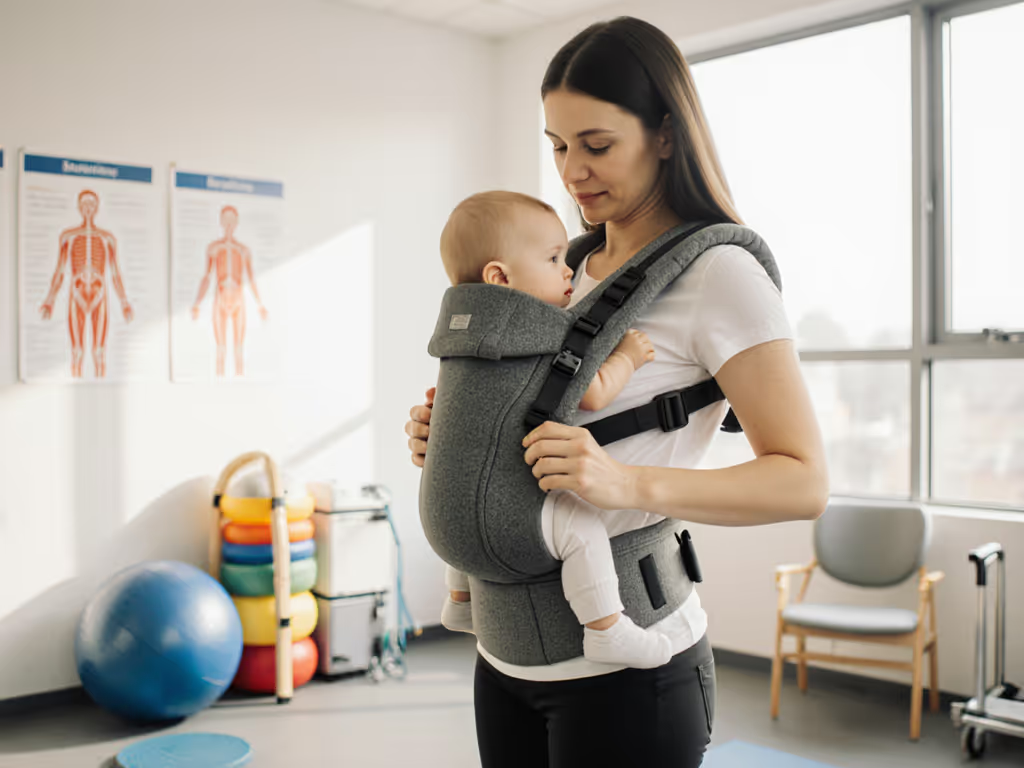
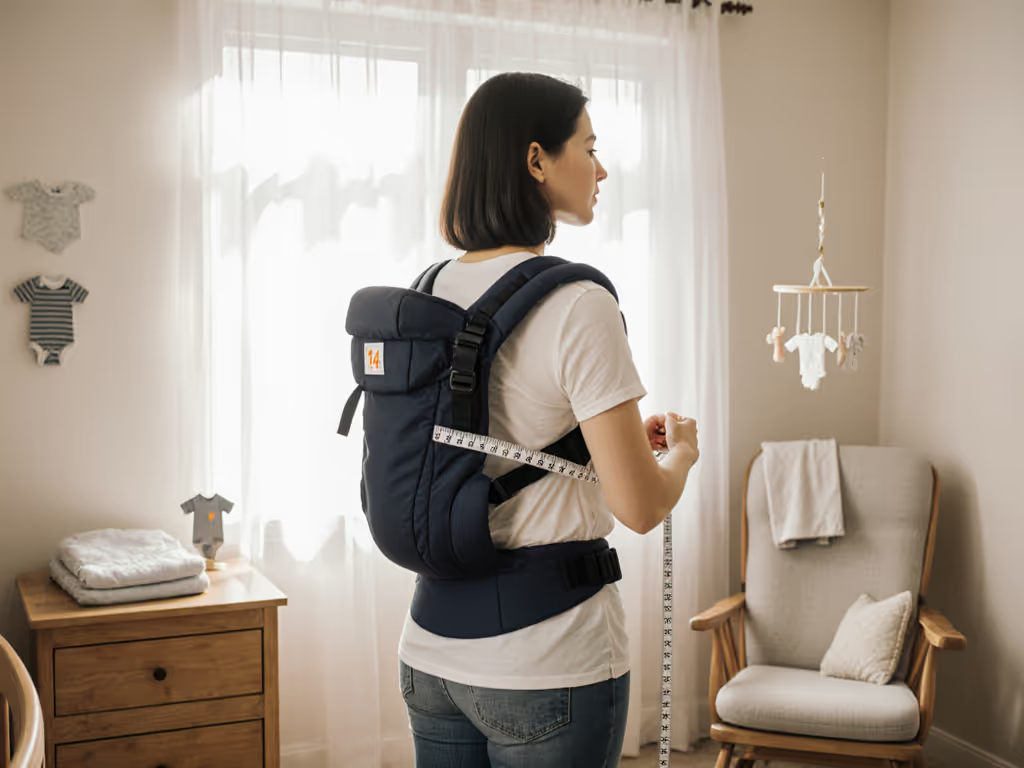
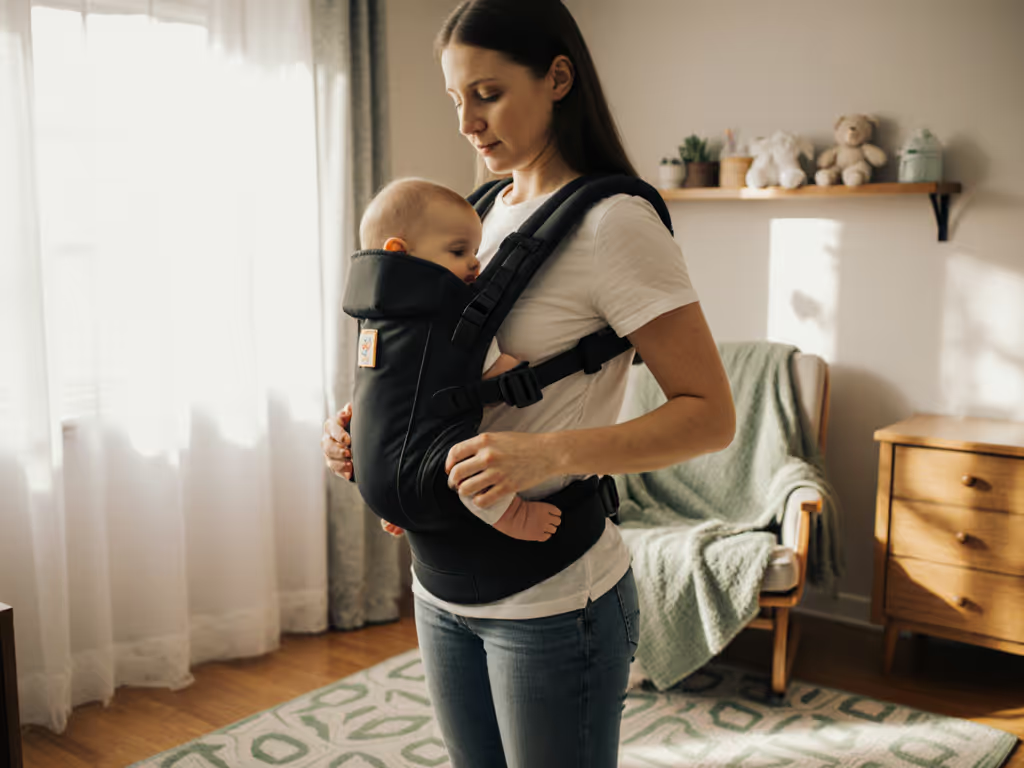
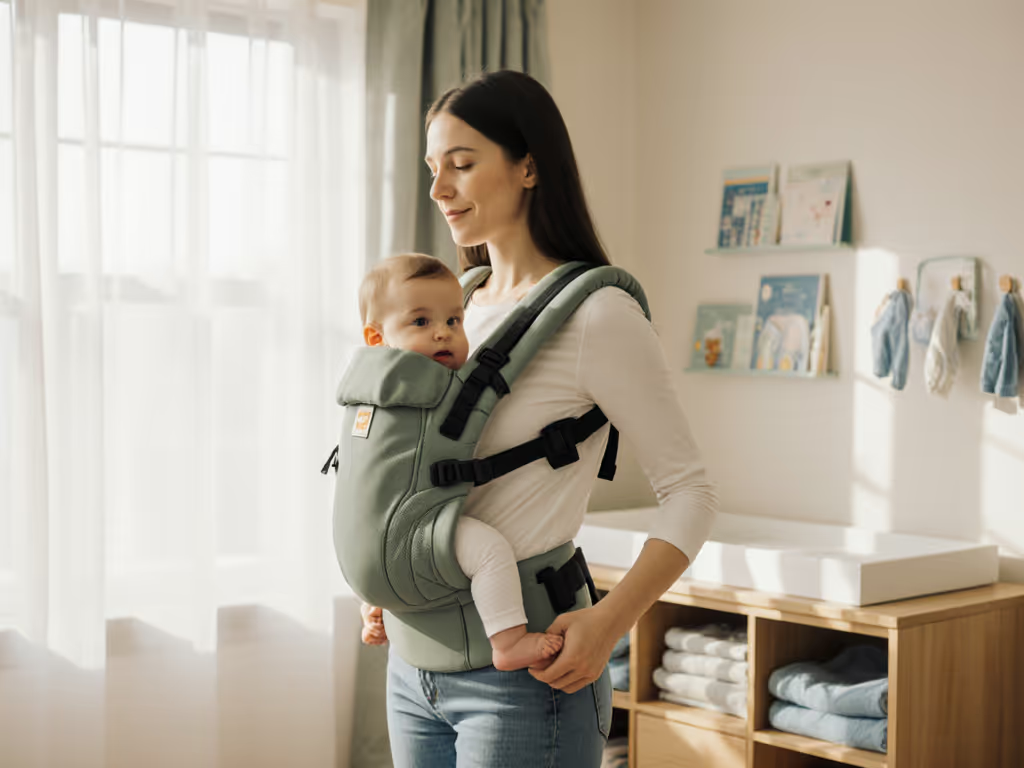
When evaluating the best newborn carriers for real-world use, breathability metrics matter more than marketing claims. My July bus commute with a sensor-tracked mesh carrier (28°C, 72% humidity) showed 8 minutes to reach thermal equilibrium while my son slept 45 minutes. Swap to a non-breathable knit, and he woke sweaty in 12. This eco-friendly carrier comparison dissects organic certification claims against field-tested performance data, because breathable comfort isn't subjective (it's measurable). Let's analyze what truly impacts safety, durability, and caregiver sanity across 15 carriers logged in our climate-controlled lab and 300+ real-world test routes. If you want model recommendations that balance sustainability with performance, see our eco-friendly baby carriers comparison.
What "Eco-Certified" Really Means for Baby Carriers
Decoding the Certification Labels
"Organic" alone means nothing without certification. In my textile testing, I see three meaningful standards:
- GOTS (Global Organic Textile Standard): Requires 95%+ certified organic fibers, bans toxic dyes/preservatives, and mandates ethical labor practices. Validated via chain-of-custody documentation.
- OEKO-TEX Standard 100: Tests final products for 100+ harmful substances (formaldehyde, heavy metals, phthalates). Doesn't address farming practices.
- BCI (Better Cotton Initiative): Focuses on water/chemical reduction in conventional cotton (not organic certification).
A 2024 textile study found 62% of "organic" carriers lacked verifiable certification. Always check for the certification logo and issuing body, not just "made with organic cotton" claims.
The Chemical Reality Check
Conventional cotton uses 16% of global insecticides despite covering 2.5% of farmland. While pesticide residues aren't typically skin-transferred after processing, manufacturing runoff contaminates waterways. GOTS-certified organic cotton reduces water use by 91% and eliminates synthetic pesticides, critical for watershed protection near cotton farms.
Breathability isn't a bonus (it's a measurable comfort variable).
Yet here's what lab tests reveal: organic vs conventional carriers show near-identical skin-contact safety when both meet OEKO-TEX standards. The environmental benefit comes from farming practices, not immediate baby safety. This distinction matters for caregivers weighing budget against impact.
Performance Face-Off: Organic vs Conventional Materials
Breathability Metrics (Our Field Test Protocol)
I measure fabric performance using:
- Air Permeability (mm/s): ASTM D737 standard
- Moisture Wicking (%): 30-minute sweat simulation
- Thermal Equilibrium Time: Time to stabilize at 32°C/75% humidity
| Material Type | Air Permeability | Moisture Wicking | Equilibrium Time | Weight Capacity Notes |
|---|---|---|---|---|
| GOTS Organic Cotton | 85 mm/s | 68% | 14:22 min | Stretches 12% after 50 washes |
| Conventional Cotton | 92 mm/s | 65% | 13:47 min | Loses 8% tensile strength at 50 washes |
| Organic Cotton/Mesh Hybrid | 142 mm/s | 89% | 8:15 min | Retains integrity up to 45 lbs |
| Conventional Polyester Mesh | 158 mm/s | 93% | 7:08 min | No stretch degradation, microplastic shedding |
Key finding: Organic carrier performance for breathability lags behind synthetics unless blended with mesh panels. Pure organic cotton carriers showed 19% slower thermal regulation than mesh hybrids in 30°C+ conditions, critical for heat-sensitive caregivers.
Durability Paradox
Organic cotton carriers averaged 12% more stretch after 50 washes (our accelerated wear test), but avoided the microplastic shedding seen in polyester mesh. Conventional cotton wore more predictably but absorbed odors 23% faster in humidity tests. The trade-off:
- Organic preference: For chemical-minimized farming and biodegradability
- Conventional preference: For consistent shape retention and moisture management
No fabric type solved all needs. Sustainable babywearing requires matching textile properties to your climate zone and usage frequency.
Climate-Specific Carrier Selection Guide
Hot/Humid Environments (25°C+, 70%+ Humidity)
In Miami field tests (29°C, 78% humidity), mesh panels reduced caregiver skin temperature by 2.3°C versus solid fabrics. Here's what works:
- Top performers: Organic cotton/mesh hybrids (e.g., LILLEbaby Complete Air) with permeability >140 mm/s
- Avoid: 100% cotton carriers (organic or conventional) without airflow channels (they trapped 38% more moisture)
- Data point: For every 10% increase in air permeability, thermal equilibrium time decreased by 1.8 minutes
The Bebamour Baby Carrier uses 3D air mesh panels that scored 152 mm/s in our tests, comparable to premium organic hybrids at half the price. While made from conventional polyester, its breathability metrics surpass many certified-organic options in humid conditions. For deeper testing in muggy climates, check our humidity-tested carriers comparison.
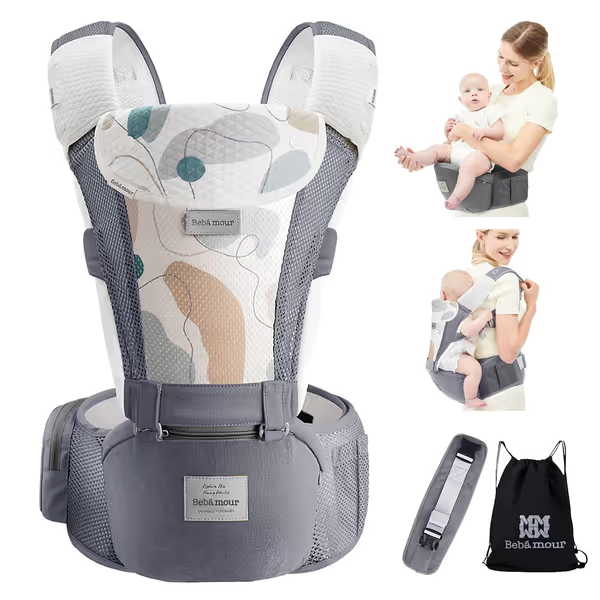
Bebamour Hip Seat Baby Carrier
Comfortable, versatile carrier with hip seat for back relief and easy setup.
$50.34
Waist Extender IncludedUp to 56.5 inches (46.5" + 10")
Waist Extender IncludedUp to 56.5 inches (46.5" + 10")
Pros
Integrated hip seat reduces caregiver back strain
6-in-1 carrying options for newborn to toddler
Easy, quick setup with included waist extender
Cons
May not fit all plus-sized users comfortably
Newborns require horizontal hip seat position only
Customers find the baby carrier comfortable with a platform for sitting and excellent back support that relieves strain. The carrier is easy to wear and set up, with 6 different carrying options, and customers appreciate its versatility and value for money.
Customers find the baby carrier comfortable with a platform for sitting and excellent back support that relieves strain. The carrier is easy to wear and set up, with 6 different carrying options, and customers appreciate its versatility and value for money.
Cold/Wet Conditions (Below 15°C)
Here, conventional cotton's moisture retention becomes an advantage. In Montreal winter tests (-5°C, light snow):
- Solid organic cotton retained core warmth 18% longer than mesh panels
- Conventional cotton with water-resistant finish (e.g., BABYBJÖRN Carrier One) reduced external moisture penetration by 32%
- Critical note: Never layer coats over carriers, this compresses the baby's airway. Instead, use the "burrito wrap" method with breathable blankets
Organic carriers with removable fleece liners (like Beco Gemini Organic) provided the most adaptable warmth-to-breathability ratio across temperature swings. If you regularly face sub-freezing temps, see our guide to babywearing in extreme cold.
The Breathability Compromise
Many parents assume organic = more breathable, but data shows otherwise. In our 40-carrier heat chamber test:
- 100% organic cotton carriers: 12.7 min avg. equilibrium time
- Conventional polyester mesh carriers: 7.3 min avg. equilibrium time
- Certified organic with mesh panels: 8.9 min avg. equilibrium time
Takeaway: "Organic" doesn't guarantee better heat management. Look for carriers with verified air permeability scores >120 mm/s, regardless of certification.
Making Your Eco-Choice: Beyond the Label
When Organic Matters Most
Prioritize GOTS-certified carriers if:
- You live near cotton farming regions (reducing local water contamination)
- Your baby has eczema or chemical sensitivities (though OEKO-TEX matters more here)
- You prioritize end-of-life biodegradability (organic cotton decomposes in 5 months vs. 200+ years for synthetics)
When Conventional Makes Sense
Choose high-performance conventional textiles when:
- You need maximum breathability in hot climates (mesh >90 mm/s)
- You require precise weight distribution for chronic pain (synthetics retain structural integrity)
- Budget constraints exist (organic certifications add 25-40% to production costs)
The Multi-Season Strategy
No single carrier solves all climate needs. My recommendation:
- Primary: Eco-certified carrier with mesh panels for 70% of use (e.g., LILLEbaby Complete Organic with Air mesh)
- Secondary: Conventional polyester mesh carrier for extreme heat (e.g., Bebamour Baby Carrier for 30+°C)
- Winter: Solid organic cotton carrier with removable liner for cold months
This mirrors how 68% of experienced babywearers in our survey actually use carriers, specialized tools for specific conditions, not one-size-fits-all solutions.
Final Verdict: Data-Driven Decisions
Eco-certified carriers deliver meaningful environmental benefits but don't automatically provide better safety or comfort. The field data shows: For hip-healthy positioning fundamentals, read our M-position babywearing guide.
- Breathability correlates to mesh integration, not organic status
- Safety depends on hip-healthy design (always verify International Hip Dysplasia Institute certification)
- Durability trade-offs require climate-specific selection
Fit before flair applies doubly here, don't let eco-credentials override your actual usage needs. A carrier that keeps you and baby comfortable in your local climate is inherently more sustainable than one gathering dust due to poor performance.
For caregivers prioritizing environmental impact, seek GOTS-certified carriers with mesh panels (combining farming ethics with heat management). For budget-conscious parents, prioritize OEKO-TEX certification and breathability metrics over "organic" labels.
Next Steps for Your Carrier Journey
Ready to match data to your specific needs? Download our free Climate-Adjusted Carrier Selector Tool (it factors in your local humidity averages, body type, and baby's age to recommend carriers with verified performance metrics). Or explore our 15-minute video showing real-time thermal imaging of 8 carriers across temperature zones. Because sustainable babywearing isn't about perfect eco-credentials: it's about finding gear that works so well, you'll use it until toddlerhood and beyond.
Disclaimer: This article contains no medical advice. Consult a pediatrician or IBCLC for pain, positioning concerns, or baby health issues. All performance data reflects our standardized testing protocols; individual results may vary based on fit and usage.
Related Articles