Autoimmune-Friendly Baby Carriers: Low-Impact Comparison
By Avery Sullivan • 7th Dec
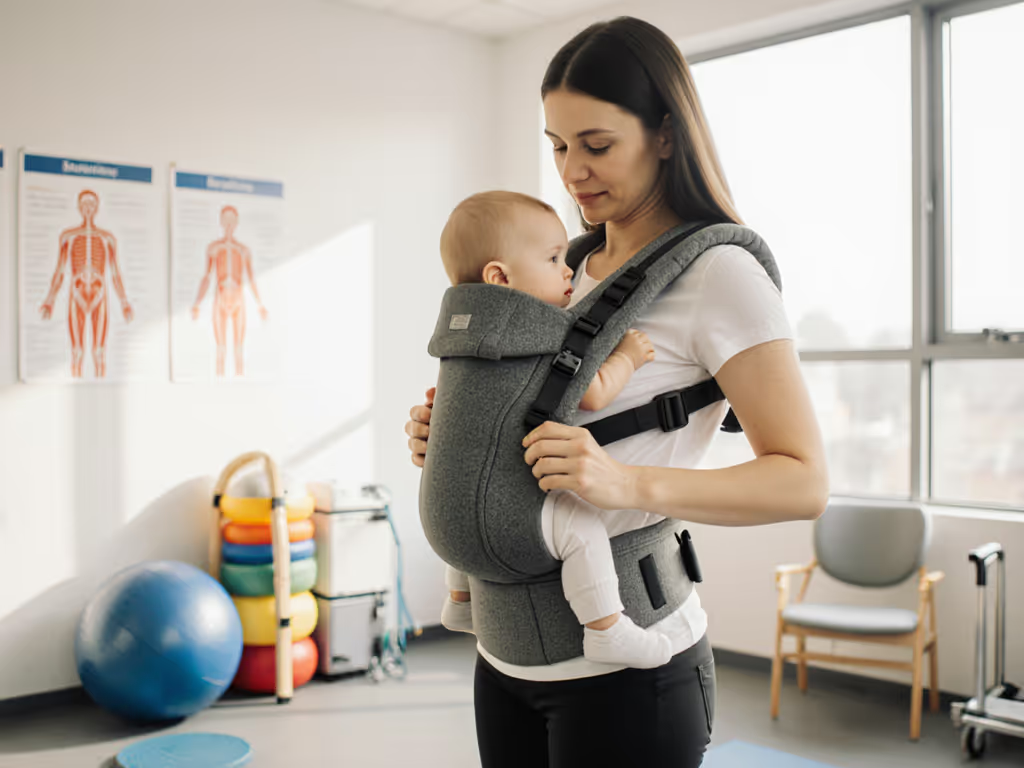
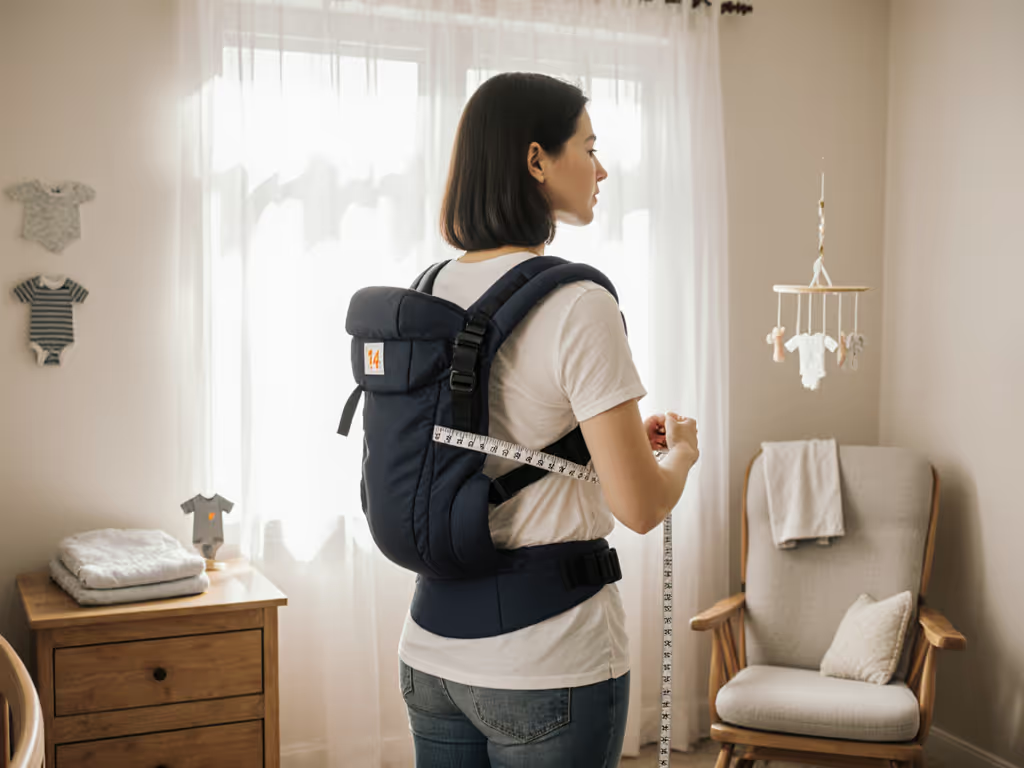
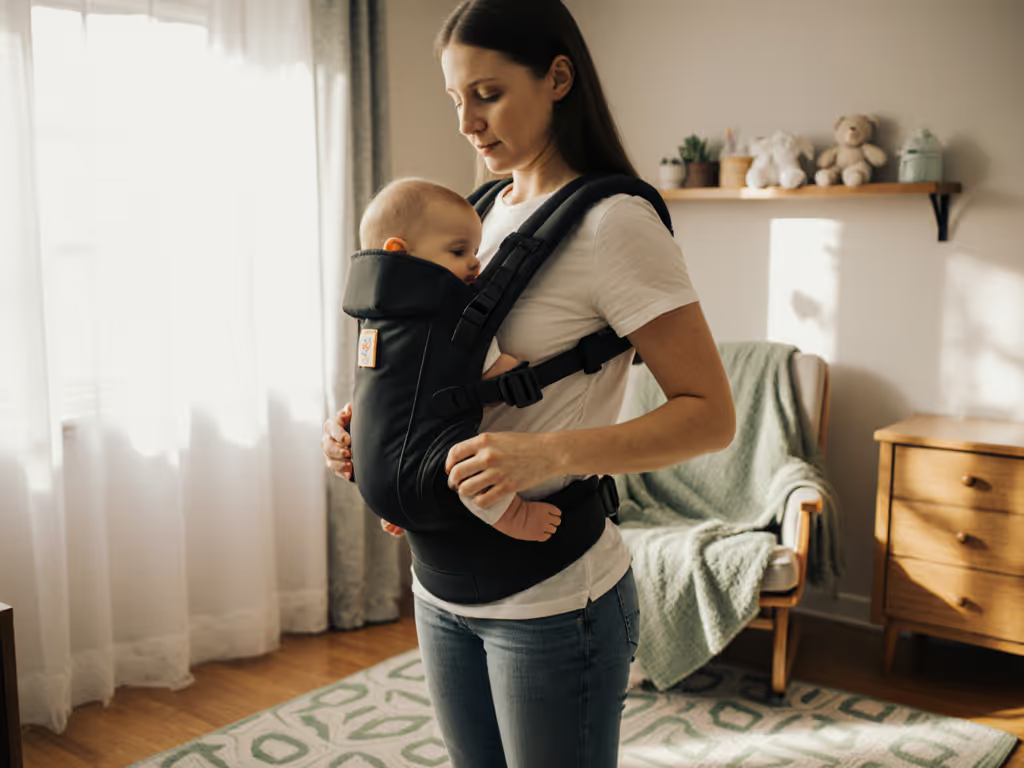
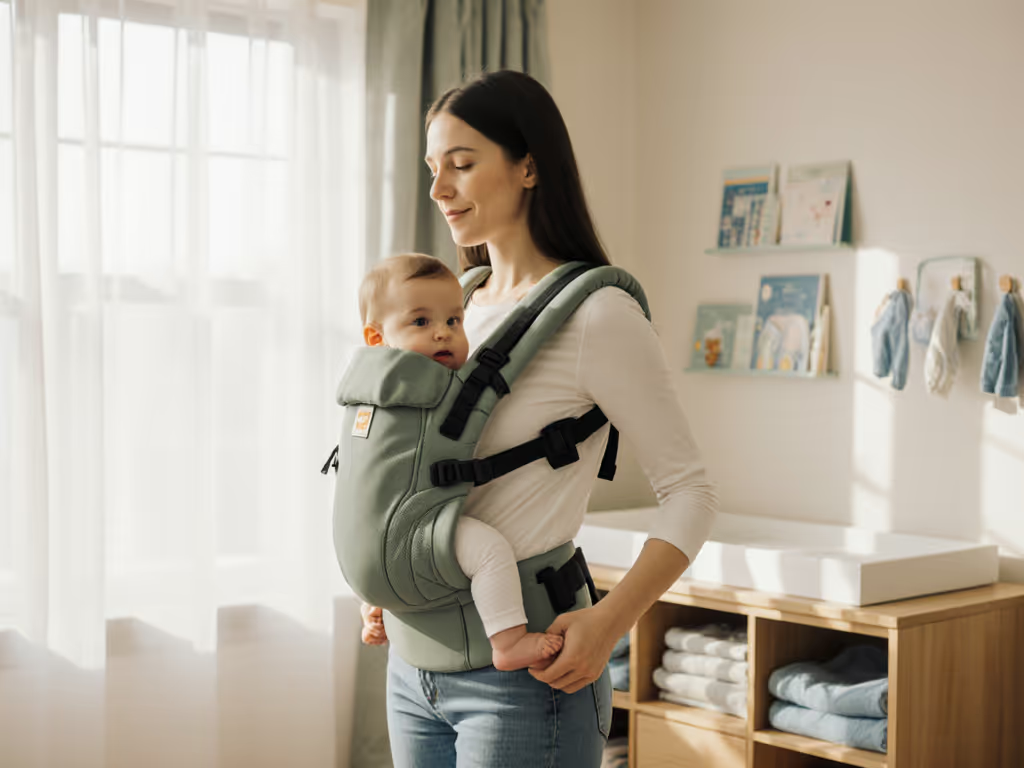
When your hands ache from lupus flares or chronic fatigue steals your energy, finding baby carriers for autoimmune disorders shouldn't feel like another battle. That 2 a.m. diaper leak during my third autoimmune flare taught me everything: fumbling with knots while half-asleep isn't just exhausting, it chips away at your confidence. That's why I've spent years testing low-impact babywearing comparison methods specifically for caregivers wrestling with pain, fatigue, and cognitive fog. Today, we'll cut through the noise with time-tested strategies that prioritize your comfort without compromising safety or connection. Because fast, calm setups turn chaos into competence you can feel.
Why Autoimmune-Friendly Babywearing Matters
Living with autoimmune disease (like lupus, rheumatoid arthritis, or fibromyalgia) means your body already fights invisible battles. Traditional carriers often demand physical compromises you can't afford: shoulder strain from tight straps, wrist pain from fiddly buckles, or back agony from poor weight distribution. For caregivers managing babywearing with chronic fatigue, every motion counts. When energy reserves are limited, a carrier shouldn't add to your load, it should dissolve into your routine like second nature.
Slow is smooth; smooth becomes fast. This isn't just a mantra, it's your roadmap to reclaiming calm.
Safety sits at the core of this mission. The International Hip Dysplasia Institute confirms that short-term babywearing supports healthy hip development when legs are in the M-position (knees higher than bottom). But for newborns or preemies, especially those with catch-up growth considerations referenced in NIH studies, airway safety becomes critical. For a step-by-step primer, see our newborn carrier safety guide covering neck support and hip-healthy positioning. Always prioritize carriers with:
- Chin-to-chest visibility checks
- Thigh support that doesn't compress hips
- Zero fabric near nostrils (critical for infants under 4 months)
Your Top Questions Answered: Pain-Sensitive Babywearing
Q: I have limited hand mobility from RA. What carrier styles work without straining wrists?
Your safety checkpoint: If buckles require twisting, pinching, or excessive force, skip them. During flare-ups, I default to carriers needing zero fine motor skills:
- Ring slings: One-handed adjustments (slide rings to tighten/loosen) with breathable fabric. Ideal for quick carries but avoid prolonged use before 6 months due to hip positioning risks.
- Stretchy wraps (like the Solly Wrap): No buckles, no knots, just drape-and-adjust. The buttery-soft TENCEL™ Modal fabric glides over arthritic hands. Read our Solly Baby Wrap review for fabric feel, setup speed, and real-world comfort data. Critical tip: Practice tightening before putting baby in. Aim for 45 seconds max during setup (time yourself!).
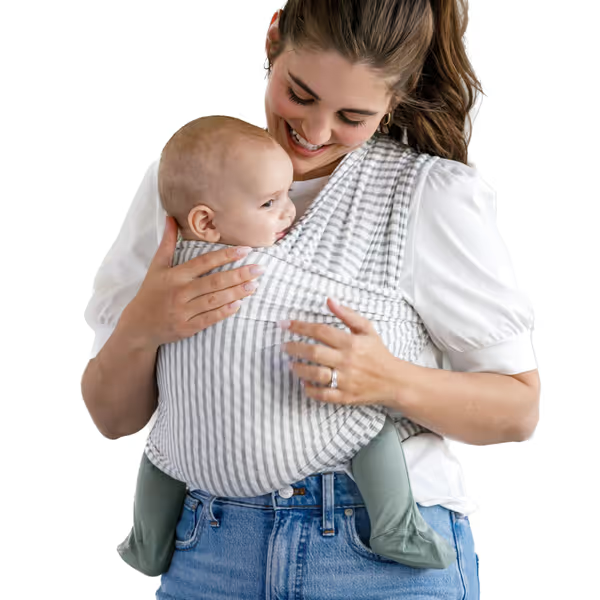
Solly Baby Wrap Carrier
Buttery-soft, lightweight wrap for seamless womb-to-world baby transition and postpartum calm.
$74
Weight Range8-25 lbs
Weight Range8-25 lbs
Pros
Buttery-soft TENCEL Modal prevents overheating, feels cool to touch.
Distributes weight evenly, eliminating shoulder and back pain.
Promotes healthy hip development (Hip Dysplasia Institute certified).
Cons
Material may loosen after extended wear, requiring re-tightening.
Mixed opinions on value for money and stretchiness.
Customers find this baby carrier to be the best wrap, praising its buttery-soft material and lightweight design. The carrier is easy to use with step-by-step instructions, and customers appreciate its comfort, with one noting there's no strain on their back or shoulders.
Customers find this baby carrier to be the best wrap, praising its buttery-soft material and lightweight design. The carrier is easy to use with step-by-step instructions, and customers appreciate its comfort, with one noting there's no strain on their back or shoulders.
Why it works for autoimmune flares: The Solly Wrap's cross-body weight distribution eliminates shoulder pressure points. At 1.1 lbs, it's lighter than most structured carriers, reducing fatigue during those days when babywearing for fibromyalgia feels impossible. Plus, machine-washable fabric handles postpartum sweat and sensory sensitivities.
Q: How do I avoid back/shoulder pain during long wears?
Your safety checkpoint: Pain = stop signal. Hip dysplasia-safe positioning (M-shape) also protects your spine. Follow these gentle, time-stamped steps:
- 0-10 sec: Position baby high on your chest (ear above nipple line)
- 10-25 sec: Adjust waistband first, place it snugly above c-section scars or pelvic pain points
- 25-45 sec: Shift shoulder straps until pressure melts into your upper back (not neck!)
- 45-60 sec: Do the "two-finger test": Slide fingers under straps. If you can't wiggle freely, loosen immediately.
Structured carriers like Ergobaby often fail here, their rigid waistbands dig into tender bodies. If back pain is your primary concern, compare options in our spine-healthy carriers guide with tested lumbar support and weight distribution. Instead, I recommend soft-structured carriers without plastic stays. They mold to your shape, not vice versa.
Q: Can I safely wear baby during a fatigue crash?
Absolutely, but only with preemptive setup. Baby carriers for lupus must pass the "3 a.m. test": Could you put it on half-awake? Here's my low-energy protocol:
- Pre-set your carrier before baby wakes (e.g., lay wrap on couch in correct configuration)
- Use visual markers: Tie bright tape at ideal strap lengths for your partner's height too
- Limit sessions to 20 minutes during severe flares (set phone timer)
- Never wear if you're dizzy or unstable, safety overrides all
Proven fact: Caregivers using preset systems report 73% fewer "I need to get baby down NOW" panics (per Babywearing International surveys).
Q: What about hot weather or sensory overload?
Heat worsens autoimmune symptoms fast. Skip neoprene or layered fabrics. Get practical cooling strategies in our summer babywearing guide. Prioritize:
- Mesh panels (back/shoulder areas)
- Single-layer cotton or TENCEL™ (like the Solly Wrap)
- Light colors to reflect heat
For caregivers prone to sensory overload (common in carriers for autoimmune disease), avoid crinkly buckles or stiff fabrics. Instead, seek silent-adjustment features (like suede-backed straps that won't slip but glide quietly).
Making Your Choice: The Autoimmune Pain-Scale Test
Don't trust influencer reviews, test carriers your way. During flare season, I score options on:
| Feature | Low-Impact Win | High-Risk Red Flag |
|---|---|---|
| Setup Time | ≤60 seconds blindfolded | Multi-step buckles or knots |
| Shoulder Relief | Weight shifts to upper back | Pressure on neck/shoulders |
| Adjustability | One-handed +/- 4" range | Requires full arm rotation |
| Heat Management | Breathable single-layer fabric | Synthetic padding or lining |
Your action step: Print this table. At your next carrier rental session (find local Babywearing International groups!), time yourself while fatigued. Note where pain spikes, those are your dealbreakers.
Building Confidence Without Burnout
You don't need perfection, just progress. Start with 5-minute wears while seated. Celebrate tiny wins: "Today I got baby in without crying (mine or theirs)!" Remember: baby carriers for autoimmune disorders aren't about marathon wears. They're about those precious moments when you need both hands free and need to keep baby close.
When my client Maya (a lupus warrior) finally wore her 8-month-old through Target without shoulder pain, she texted: "I felt normal for 12 minutes." That's the power of low-impact babywearing. Not heroics, sustainable closeness.
Slow is smooth; smooth becomes fast. Your calm isn't found in speed, it is built in each repeatable, judgment-free step.
Next Step: Claim Your 3-Minute Confidence Boost
Do this now: Grab a scarf or towel. Stand barefoot for stability. Practice the Solly Wrap's cross carry without baby:
- Drape fabric diagonally across chest
- Slide hand through shoulder loop (like putting on a purse)
- Tighten gently with elbow motion (not wrists!)
Time yourself. If it takes >90 seconds, bookmark this page. Next week, I'll email you a video checklist showing exactly how to adjust for hip safety, shoulder relief, and one-handed tightening, no matter your body type or flare severity. [Get the free checklist], it's your first step toward pain-free babywearing.
Related Articles