International Baby Travel Carriers: Safe & Culturally Smart
By Avery Sullivan • 9th Jan
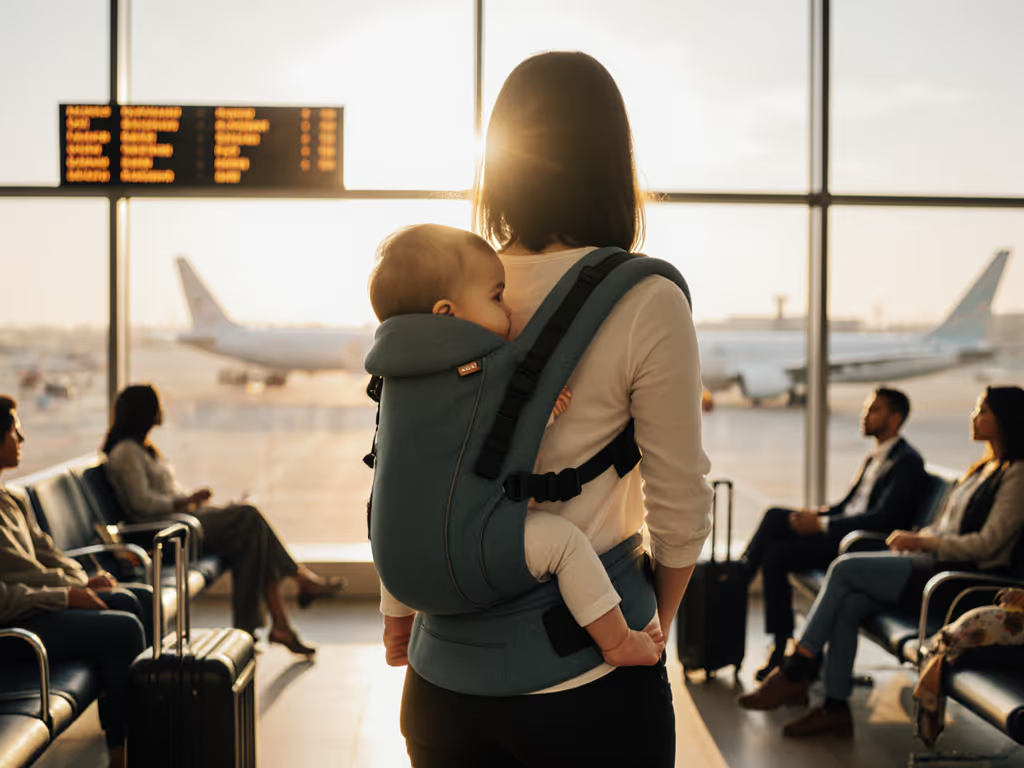
As you pack for your first international trip with baby, you're probably wondering which international baby travel carriers will truly work for your journey. Between airline regulations, cultural norms, and those precious moments when you need to move quickly through airports, choosing the right carrier feels overwhelming. I've been there (more times than I can count), including that infamous 2 a.m. diaper emergency that taught me how much setup time matters when stress is high. This global babywearing guide cuts through the noise with practical, safety-focused advice that actually works for real travelers. For carrier recommendations tailored to airports and tight connections, see our airport-tested travel baby carriers comparison.
When you're navigating unfamiliar airports or trying to respect local customs while keeping your baby secure, having the right carrier knowledge transforms anxiety into confidence. Let's tackle your most pressing questions with gentle, time-stamped steps that prioritize safety without complicating your journey.
Frequently Asked Questions: International Baby Travel Carriers
Can I wear my baby through airport security?
Yes, in most cases, you can wear your baby through security checkpoints, but there are important nuances. The Transportation Security Administration (TSA) generally allows parents to keep baby carriers on while passing through metal detectors. However, if the alarm sounds, you may need to remove your baby for additional screening.
Safety checkpoint: Always ensure your baby's airway is completely visible and unobstructed during screening. Tighten all straps beforehand so nothing loosens during the process.
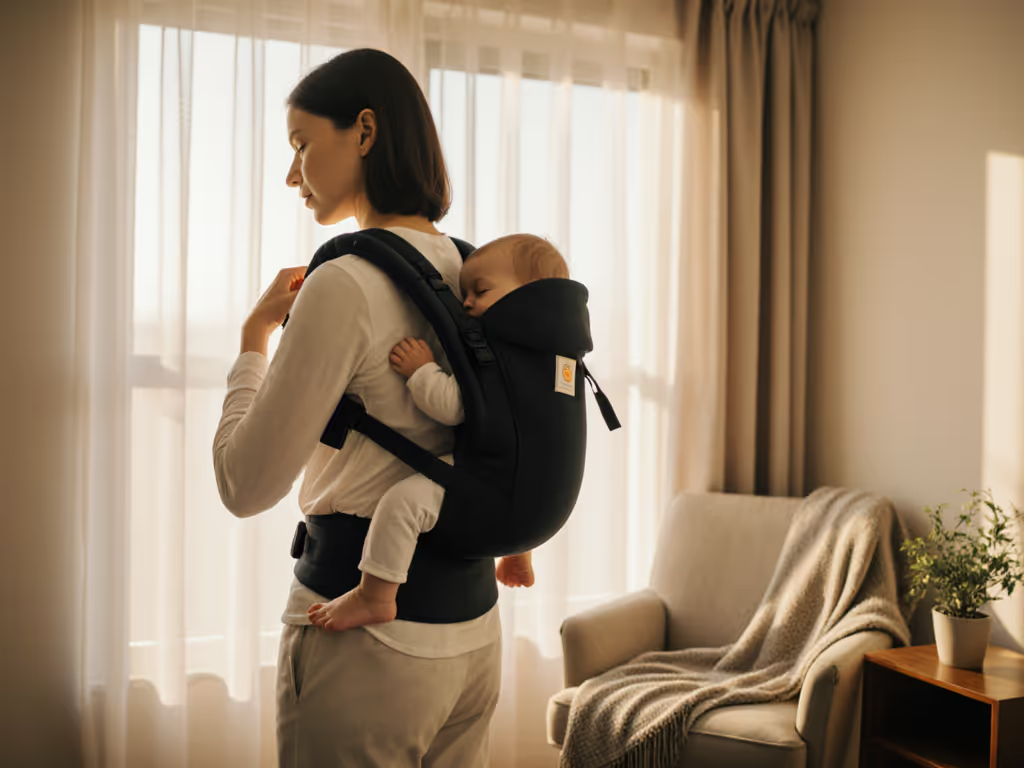
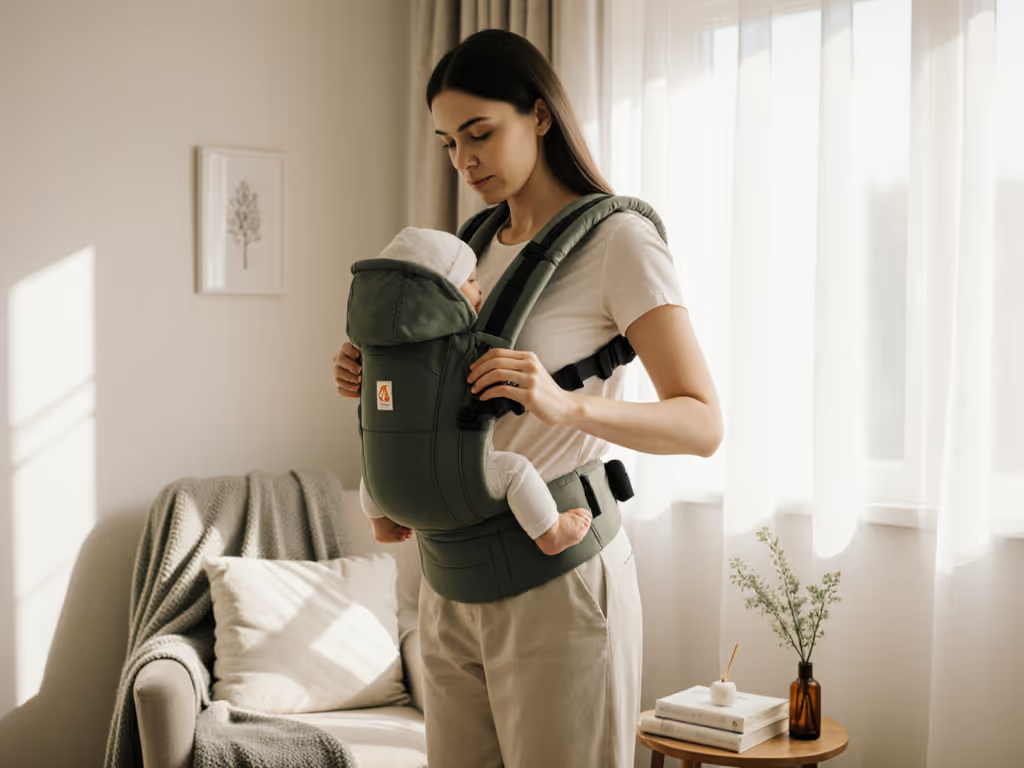
Before joining the security line, familiarize yourself with the TICKS rule (Tight, In view, Chin off chest, Knees higher than bottom, Supported back) to maintain proper positioning during potential delays. If traveling solo, consider using a carrier that allows one-handed adjustments so you can manage belongings while holding baby securely. Remember that strollers must typically be folded and screened separately (another reason why a reliable carrier saves precious minutes when you're sleep-deprived).
Are baby carriers permitted during takeoff and landing on international flights?
No, with crucial safety implications you must understand. According to FAA regulations, the "FAA prohibits passengers from using baby carriers, booster seats, or backless CRS during ground movement, take-off, or landing." This means you must remove your baby from the carrier for these critical flight phases.
The safest option for air travel is an FAA-approved car seat with the label "This restraint is certified for use in motor vehicles and aircraft." While some parents consider "international flight babywearing" convenient, carriers shouldn't be relied upon during takeoff or landing when turbulence could compromise safety.
During cruising altitude, some airlines may permit carrier use, but always confirm their specific policy beforehand. The "CARES" harness is another option for toddlers (22-44 lbs), though not suitable for infants.
What should I know about customs with baby carriers?
When approaching customs, keep these considerations in mind:
- Keep your carrier easily accessible but not worn when approaching officials
- Be prepared to remove your baby temporarily for documentation checks
- Have your baby's passport and any required immunization records immediately available
- Maintain eye contact with officials while keeping one hand available to support your baby
Some countries have specific regulations about infant travel gear. For example, Australia requires additional documentation for certain carriers entering the country. Research destination-specific requirements at least two weeks before departure. If questioned, explain your carrier meets safety standards (mentioning TICKS compliance shows awareness) without becoming defensive. Remember: hands-free should feel stress-free, but flexibility is key when navigating international protocols.
How do cultural babywearing norms vary internationally?
This is where many travelers unknowingly stumble. Cultural babywearing norms differ significantly worldwide, and respecting them builds trust while keeping your baby comfortable:
- In many Asian countries, carriers that position baby facing outward are considered impolite
- Some Middle Eastern cultures view chest-to-chest positioning as inappropriate in public
- Scandinavian countries often prefer carriers that support hip-healthy "M" positioning (M-position guide)
- In parts of Africa and Latin America, traditional wraps remain common and may be viewed more favorably than structured carriers
Before traveling, research local customs through expat forums or parenting groups in your destination. When in doubt, observe how local parents wear their babies and adapt accordingly. This isn't just about etiquette, it directly impacts your safety as a traveler. Communities respond more positively when visitors respect cultural norms, making your journey smoother and more welcoming. For context on traditional methods around the world, explore our overview of cultural babywearing traditions.
What safety considerations should guide my carrier choice for international travel?
Beyond airline regulations, prioritize these often-overlooked safety factors:
- Heat management: Avoid carriers with non-breathable fabrics in hot destinations—see our summer babywearing tips for cooling strategies. Your body heat combined with environmental heat can dangerously elevate baby's temperature
- TICKS compliance: Always verify positioning meets all five criteria, especially during long-haul flights where fatigue might compromise vigilance
- Security checks: Ensure straps and buckles remain secure after multiple removals and reapplications
- One-handed capability: Choose carriers requiring minimal adjustment when your other hand manages boarding passes or documents
Research confirms that "babies are at risk of suffocation if they're put into baby carriers and slings incorrectly." Make safety checkpoints part of your routine: before each use, check for fabric slumping, chin-to-chest positioning, and visible breathing movements. If your baby shows signs of distress (gray/blue skin tone, labored breathing), remove them immediately.
What are essential long-haul baby carrier tips for comfort and usability?
For journeys exceeding 6 hours, these long-haul baby carrier tips prevent discomfort and frustration:
- Practice pre-trip: Wear your carrier for increasing durations at home to build muscle memory
- Pack strategically: Keep essentials (diapers, wipes) in your carrier's pockets, not a separate bag
- Hydrate wisely: Choose carriers with accessible water bottle holders for parents
- Layering techniques: Practice putting on carriers over coats for cold destinations
- Switch-off system: If traveling with a partner, establish clear handoff markers for seamless transitions
During extended wear, implement the 20-20-20 rule: every 20 minutes, check positioning; every 20 checks, rest baby in a stroller; every 20 rests, hydrate yourself. Clear visual references (like noting how many fingers fit between baby's chin and chest) help maintain proper positioning when you're tired.
Your Actionable Next Step
Before your trip, create a "travel carrier checklist" with these three items:
- Verify your carrier meets TICKS safety standards with a final pre-departure check
- Practice one-handed removal and reapplication five times until it feels automatic
- Research your destination's cultural norms and identify one local babywearing practice to respectfully adopt
This simple preparation transforms potential stress points into moments of confidence. Remember my foggy 2 a.m. lesson: fast, calm setups turn chaos into competence you can feel. When you've got the right knowledge and practice, hands-free should feel stress-free, whether you're navigating JFK at rush hour or exploring ancient temples abroad. Your international adventure with baby begins with these small, confident steps forward.
Related Articles