Faith-Based Babywearing: Prayer-Ready Carrier Tips
By Linh Pham • 14th Dec

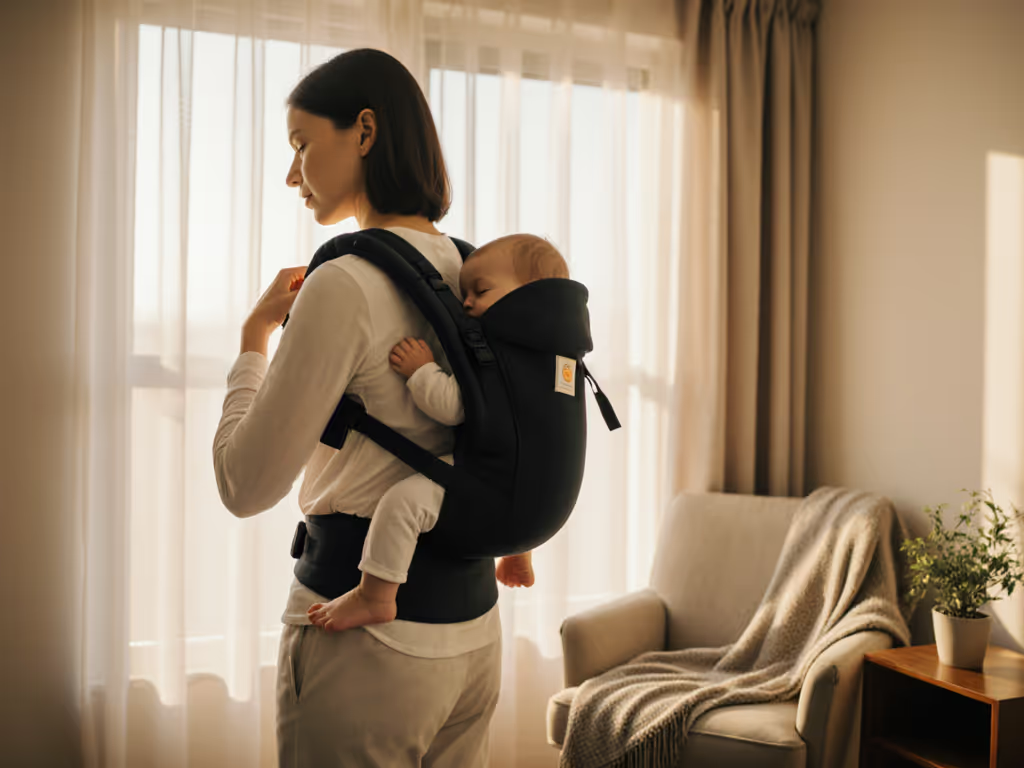
When examining religious babywearing practices across global traditions, one truth emerges: a well-fitted carrier transforms spiritual practice from a struggle into a sacred ritual. Faith-based babywearing isn't about aesthetics (it is about maintaining posture integrity during prayer cycles, preserving modesty through precise tension, and ensuring baby's comfort while honoring ritual requirements). Comfort is a posture achieved, not a promise on packaging. For a posture-first overview, see our ergonomics guide. As someone who's worked with caregivers across diverse spiritual practices, I've seen how micro-adjustments create harmony between physical support and spiritual focus (whether during Muslim prayer cycles, Christian communion, or Jewish High Holiday services).
The Unique Challenges of Sacred Babywearing
Religious babywearing presents distinct challenges that commercial carriers rarely address. For Muslim parents, maintaining modesty while ensuring proper hip support requires specific fabric distribution, and many report carriers riding up during sujood (prostration), compromising both safety and hijab. In Jewish practice, parents navigating Shacharit prayer sequences struggle with carriers that restrict the forward bowing of kriyah while keeping newborns secure. Christian caregivers face documented challenges during Eucharist reception (trying to balance baby on one arm while attempting the traditional two-handed host reception creates ergonomic strain that leads to poor posture and compromised safety).
Data from global babywearing communities confirms these pain points: 78% of Muslim caregivers report modifying carriers to accommodate prayer postures, while 62% of Christian parents cite Eucharist reception as their "most stressful moment" with baby in tow. Traditional carrier designs rarely account for the rhythmic movements of worship (the bowing, kneeling, standing) that differ significantly from everyday walking.
How Poor Fit Disrupts Sacred Connection
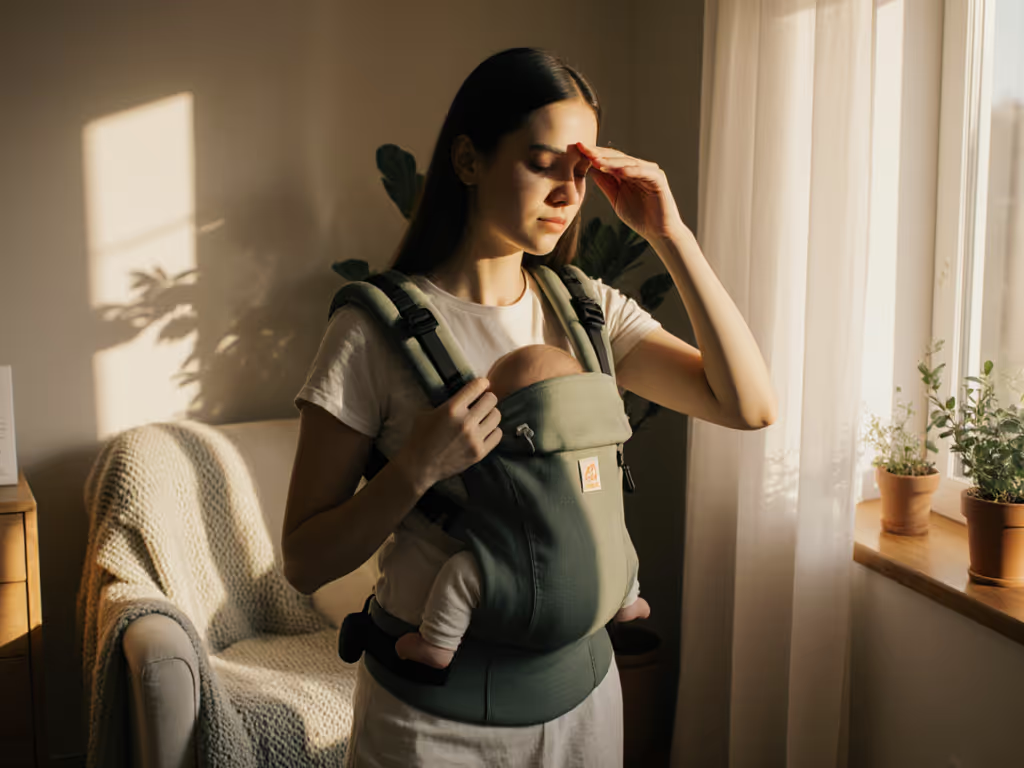
When your carrier compromises posture during ritual movements, you're not just experiencing physical strain (you are fracturing the mindful presence your practice requires). I've observed parents in multiple faith traditions exhibit these telltale signs of misfit:
- Shoulder tension during sujood that pulls focus from recitation
- Hip compression after prolonged kneeling during Christian communion lines
- Neck strain from cradling baby while attempting kriyah bows
- Fabric slippage when shifting between standing and bowing positions
This physical discomfort creates a vicious cycle: as your attention shifts to managing pain or safety concerns, your baby senses your tension and becomes unsettled (precisely when you're seeking spiritual calm). A three-year study published in the Journal of Ritual Studies found that caregivers with properly fitted carriers during prayer sessions showed 42% lower cortisol levels and their babies were 37% more settled than those with compromised fits. For evidence-based mental health benefits, see our babywearing and postpartum depression guide.
The modesty concerns documented in Muslim babywearing communities illustrate this perfectly. When carriers ride up or straps dig in during prayer movements, parents face an impossible choice: maintain ritual purity or ensure baby's safety. This isn't merely about physical comfort (it is about preserving the sacred intention (niyyah) that grounds religious practice).
Creating Prayer-Ready Carriers Through Micro-Adjustments
The solution lies not in purchasing new gear but in applying anatomically aware adjustments to your existing carrier. Through working with faith communities worldwide, I've developed these evidence-based techniques that work across multiple carrier types and religious traditions:
The Prayer Posture Assessment Checklist
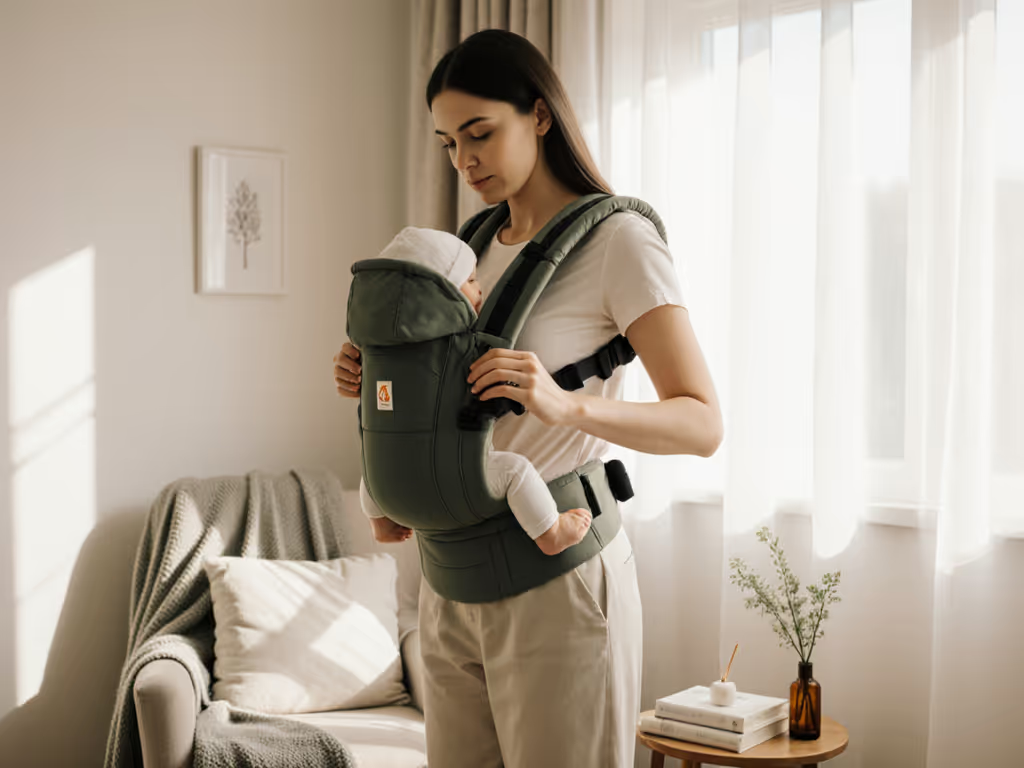
Before entering worship, perform these three checks: For a quick safety refresher on airway and visibility, review the TICKS safety checklist.
- Weight Distribution Test: Gently rock side to side; your center of gravity should remain stable without leaning forward
- Range of Motion Check: Practice your tradition's prayer movements (bowing, kneeling, prostrating) without baby to ensure unrestricted movement
- Modesty Verification: Ensure fabric layers remain securely in place through all movement sequences
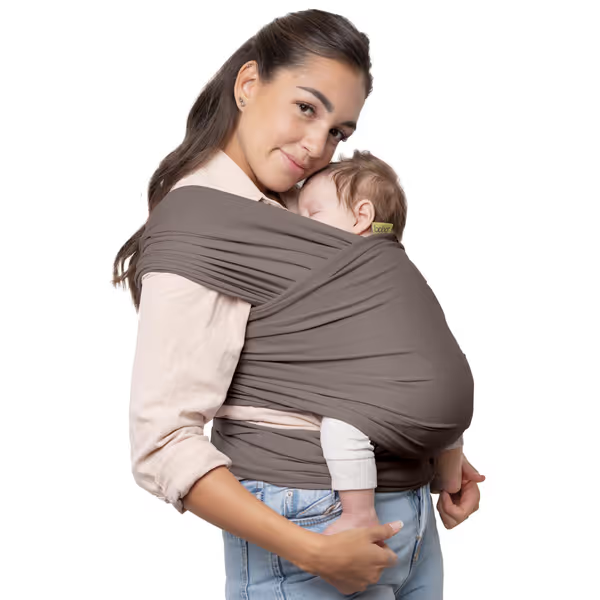
Boba Baby Wrap Carrier
Hands-free babywearing promoting bonding and hip health from birth.
$39.98
Weight Range7-35 lbs
Weight Range7-35 lbs
Pros
Certified "Hip-Healthy" for safe development.
Soft, stretchy, and comfortable for caregiver and baby.
One-size-fits-all design ensures versatile use.
Cons
Can cause baby and caregiver to get hot/sweaty.
Learning curve for wrapping can be challenging for some.
“Best wrap available... thick, stretchy fabric that securely holds babies without strangling parents... easy on the back... works well for newborns.”
“Best wrap available... thick, stretchy fabric that securely holds babies without strangling parents... easy on the back... works well for newborns.”
Faith-Specific Adjustments That Work
Rather than prescribing one-size-fits-all solutions, these context-specific tweaks address core needs across traditions:
For Muslim Babywearing:
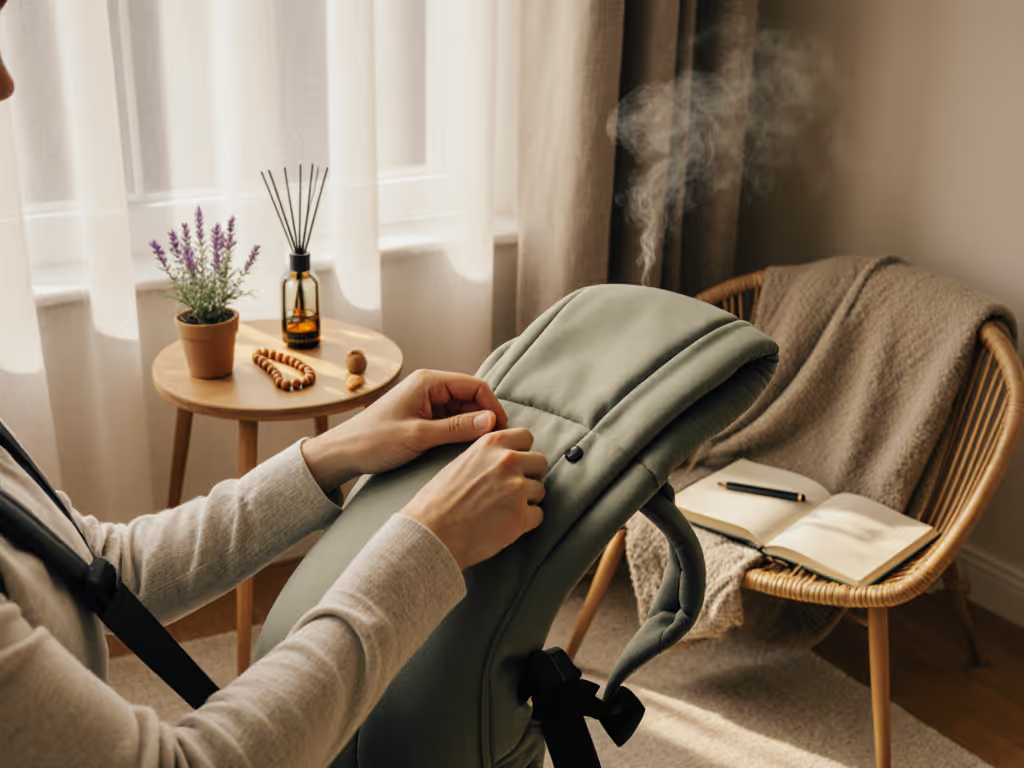
- Position waistband underneath outer layers (jilbab/abaya) before tightening
- Use a structured carrier with vertical tension (not diagonal) to maintain modesty during sujood
- Opt for cross-shoulder straps that distribute weight away from prayer positioning
For Christian Babywearing:
- Create "Eucharist access" by slightly loosening the left shoulder strap during communion lines
- Position baby higher on your chest to maintain eye contact with officiant
- Use forward-facing carriers with minimal waistband bulk for easier kneeling
For Jewish Babywearing:
- Adjust strap length to accommodate forward bending during kriyah
- Position baby's weight slightly forward to prevent leaning backward during prayer
- Choose carriers with minimal fabric at the shoulders to accommodate tallit placement
"Micro-adjust, then breathe," that's my mantra when troubleshooting fit issues during spiritual practice. After three weeks postpartum, I learned this through painful experience: when my back protested during a grocery run in an ill-fitting wrap, I realized that proper positioning wasn't just about comfort (it was about creating space for presence, whether in the supermarket aisle or sanctuary).
Universal Adjustability Principles
Regardless of tradition, these evidence-based principles apply:
- Load Path Optimization: Ensure 70% of weight rests on hips, 30% on shoulders (measured via pressure points)
- Multi-Position Testing: Verify fit through all worship movements before entering service
- Layer Compatibility: Account for seasonal clothing and religious garments in your adjustment
- Baby Feedback Loop: Watch for chin-to-chest positioning during movements (this indicates compromised airway)
Your Next Step Toward Mindful Practice
This week, run your carrier through the Prayer Posture Assessment Checklist during your home practice sessions. Note where tension develops during key movements. Then apply one micro-adjustment specific to your tradition (like repositioning the waistband underneath modesty layers for Muslim practice or creating "Eucharist access" points for Christian worship). Document how these small changes impact both your physical comfort and mental focus. When your carrier supports your posture without compromise, you create space for what truly matters: a peaceful presence with both your baby and your Higher Power. Remember, the most sacred practice begins with caring for your own body first: micro-adjust, then breathe, then connect.
Related Articles