Babywearing for Postpartum Depression: A Self-Care Strategy
By Avery Sullivan • 4th Dec
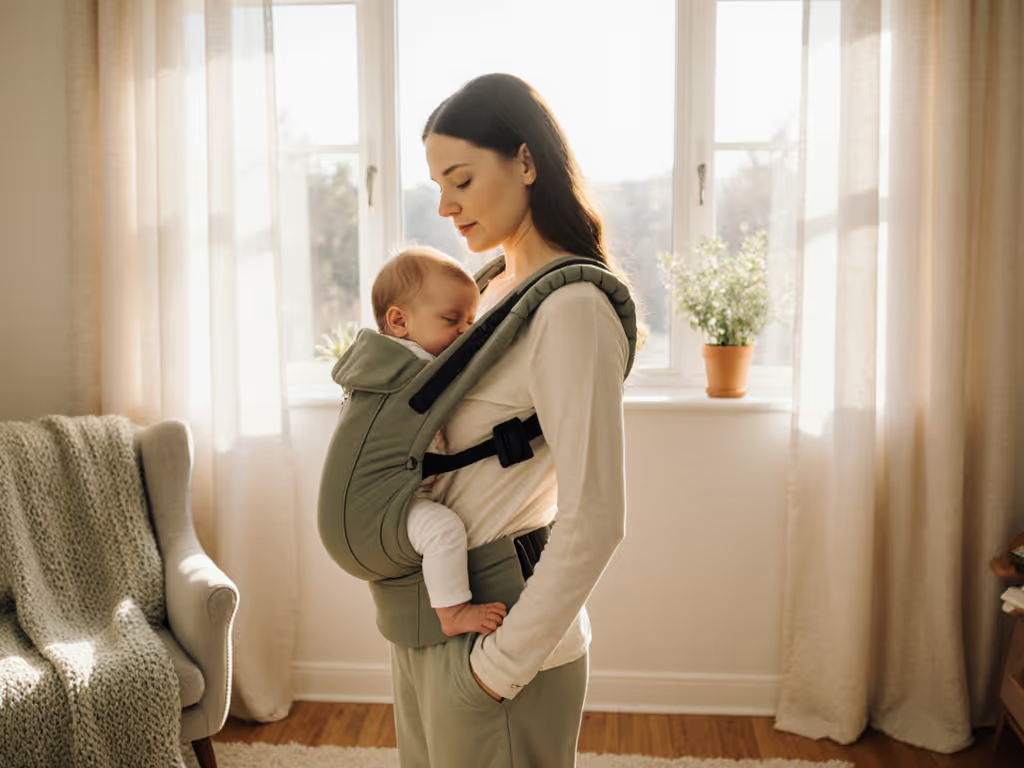
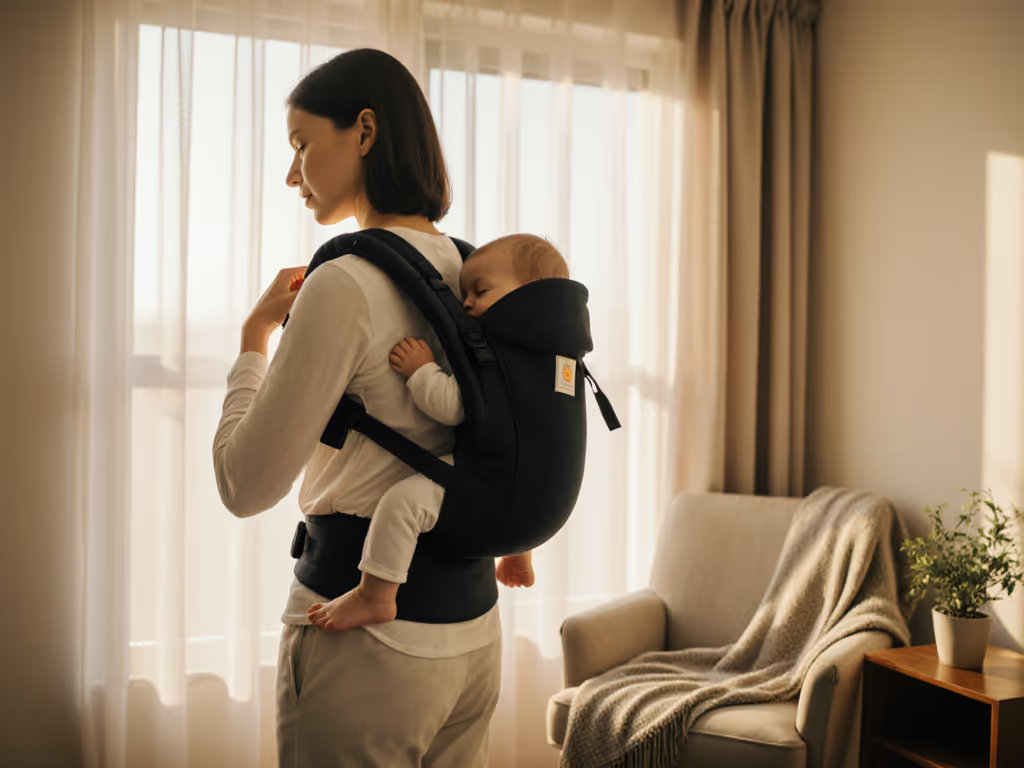
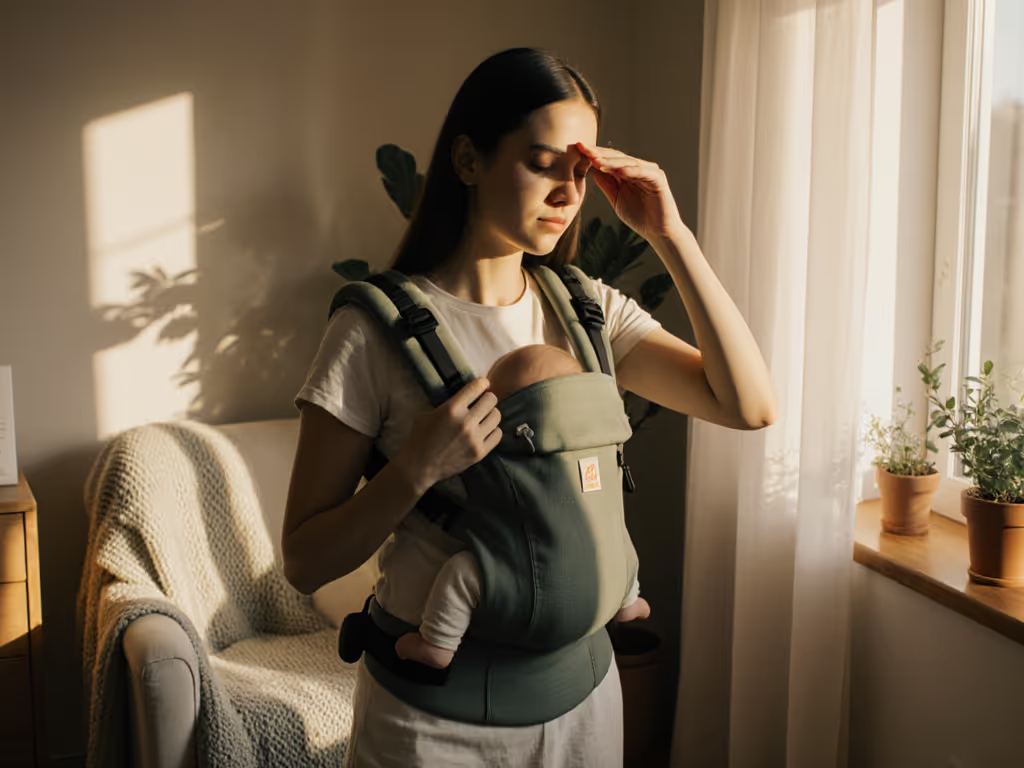
When you're facing babywearing for postpartum depression, it's not about adding another task to your plate. It's about transforming the carrying you already do into intentional self-care babywearing, a moment of connection that science shows lowers stress hormones and builds resilience. Research confirms that even 1-2 hours of daily babywearing significantly reduces symptoms of postpartum depression by fostering oxytocin release and reducing repetitive negative thoughts. This isn't just practical childcare; it's a gentle, evidence-based mental health strategy designed for the messy, beautiful reality of early parenthood. For more on the science and practical steps, see our evidence on babywearing and postpartum depression.
During foggy nights when everything feels heavy, I've learned that fast, calm setups turn chaos into competence you can feel. Let's explore how to make babywearing work for your mental well-being (without perfectionism or pressure).
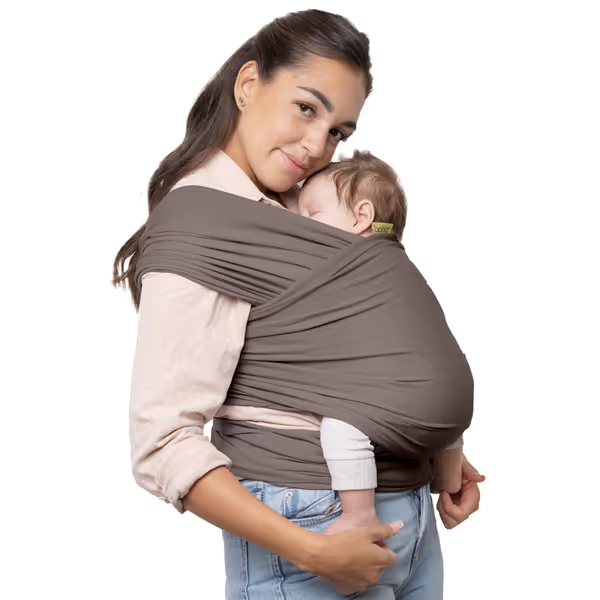
Boba Baby Wrap Carrier
Hands-free babywearing promoting bonding and hip health from birth.
$39.98
Weight Range7-35 lbs
Weight Range7-35 lbs
Pros
Certified "Hip-Healthy" for safe development.
Soft, stretchy, and comfortable for caregiver and baby.
One-size-fits-all design ensures versatile use.
Cons
Can cause baby and caregiver to get hot/sweaty.
Learning curve for wrapping can be challenging for some.
“Best wrap available... thick, stretchy fabric that securely holds babies without strangling parents... easy on the back... works well for newborns.”
“Best wrap available... thick, stretchy fabric that securely holds babies without strangling parents... easy on the back... works well for newborns.”
Frequently Asked Questions: Babywearing as Mental Health Support
How does babywearing actually help with postpartum depression?
It's more than just convenience, it's biology. When you wear your baby close to your chest, your body releases oxytocin (the "love hormone"), which lowers cortisol levels and creates a calming feedback loop for both of you. A landmark study published in Infant Mental Health Journal found that mothers practicing babywearing mental health strategies reported significantly lower anxiety and stronger emotional regulation. The key? It's not about marathon wearing sessions. Research shows benefits kick in with as little as 60-120 minutes daily, time you're likely already spending holding your baby anyway. This makes it a realistic tool for exhausted caregivers who need accessible support.
I'm overwhelmed just thinking about setup, how do I start simply?
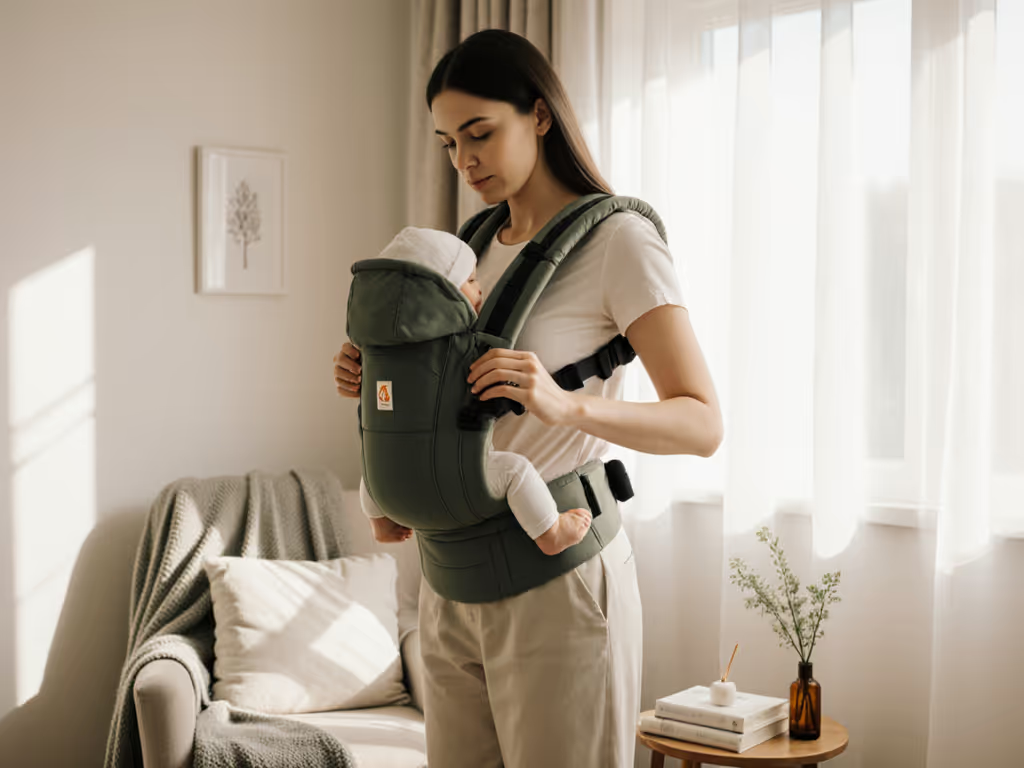
Begin with 5-minute micro-sessions during naturally calm moments (after feeding, during quiet play). Choose one carrier style that aligns with your pain points: if shoulder sensitivity is an issue (common with c-section recovery or chronic pain), wraps distribute weight more evenly than rigid carriers. For your first attempt:
- Safety checkpoint: Ensure baby's face is visible and chin off chest ("nose to toes" rule)
- Gentle, time-stamped steps: Place baby vertically against your heart (30 seconds)
- Clear visual reference: Align baby's bottom with your waistband
- Breathe: Hum or sway while holding them close (2 minutes)
Slow is smooth; smooth becomes fast. Rushing triggers stress. Your calm focus is the real therapy.
That diaper-leak night taught me: a 55-second clip carrier setup wasn't just about speed. It preserved mental bandwidth when I had none left. Start where you have capacity.
What if I'm worried about doing it "safely"?
Safety anxiety is valid, but solvable with plain language checks anyone can do:
- Airway check: Can you slip two fingers between baby's chin and chest? ("thumb test")
- Hip check: Baby's knees should sit higher than their bottom ("M-position")
- Hold check: Can you easily lift baby's bottom with one hand?
The Boba Wrap's hip-healthy certification simplifies this, its French Terry fabric naturally cradles hips in that protective squat position. No anatomical expertise needed. Remember: progress over perfection. For a quick refresher, use the T.I.C.K.S. babywearing safety checklist to double-check fit and airway. If baby's comfortable and you're relaxed, you're doing it right.
How does this help during anxiety spikes?
Babywearing for anxiety works through rhythmic sensory input. The motion of walking while wearing baby mimics womb sensations, regulating both nervous systems. When panic rises:
- Pause: Stop moving; feel baby's breath on your neck
- Synchronize: Match your exhales to their inhales
- Ground: Walk slowly toward a window (sunlight + movement boosts serotonin)
This is therapeutic babywearing in action: using your body as an anchor during storms. Unlike medication or therapy (which require appointments), this is always accessible, even during 3 a.m. feedings.
I have physical limitations (back pain, arthritis), is this still possible?
Absolutely. Postpartum depression self-care adapts to your body:
- For shoulder pain: Use hip seats (like the Solly Baby Wrap) that transfer weight to your pelvis
- With limited mobility: Front-facing carriers eliminate back-reach buckles
- Postpartum recovery: Position carriers above incision sites (high carry = less pressure) For recovery-specific adjustments, our C-section babywearing guide breaks down safe positions and carrier features that reduce pressure.
"One size fits all" is a myth; your carrier should fit you, not vice versa. Look for stretchy wraps that accommodate diastasis or c-section tenderness without compression.

How do I weave this into chaotic days?
Forget "perfect" sessions. Integrate babywearing mental health strategies into existing routines:
- Laundry rhythm: Wear baby while folding clothes (rocking motion soothes)
- Meal prep: Secure carrier while stirring soup (hands-free multitasking)
- Mindful walks: 10 minutes outside wearing baby = sunlight + movement + connection
Crucially: Pair it with low cognitive load carriers. That clip carrier I timed at 0:55? Its simplicity meant I could wear baby while managing toddler tantrums (proof that intuitive design supports mental health). Start with products that have:
- Front-adjusting straps (no reaching behind)
- Visual alignment markers (no guessing)
- Breathable fabrics (heat worsens anxiety)
What's the single most important thing to remember?
This isn't about adding pressure, it's about reclaiming moments already happening. When you wear your baby while waiting for the coffee to brew or rocking during a podcast, you're not "finding time for self-care." You're reclaiming time you thought was lost. Research shows this consistent contact builds what psychologists call "micro-secure base moments": tiny deposits in your emotional resilience bank.
Your Actionable Next Step: The 5-Minute Reset
Today, try this:
- Choose one calm 5-minute window (post-feeding works well)
- Place baby vertically against your chest in a wrap or soft carrier
- Close your eyes and breathe in sync for 2 minutes
- Whisper: "We're safe. We're connected."
That's it. No complex knots, no timed sessions, no "perfect" posture. You've just practiced therapeutic babywearing (proven to lower stress hormones within minutes). Slow is smooth; smooth becomes fast. Tomorrow, try it during a routine task (like washing dishes). Build this into your life as it is, not as you think it should be.
By making babywearing a sensory anchor rather than another chore, you're not just caring for your baby, you're gently rebuilding your own emotional foundation. One carrier session at a time, you'll discover that the rhythm in your steps, the warmth against your chest, and the quiet trust in your arms are the self-care you've been seeking. If you want a gentle primer, see our Babywearing 101 for safe, comfy carrying.
Related Articles