Babywearing for Grandparents: Addressing Arthritis and Safety
By Linh Pham • 12th Dec
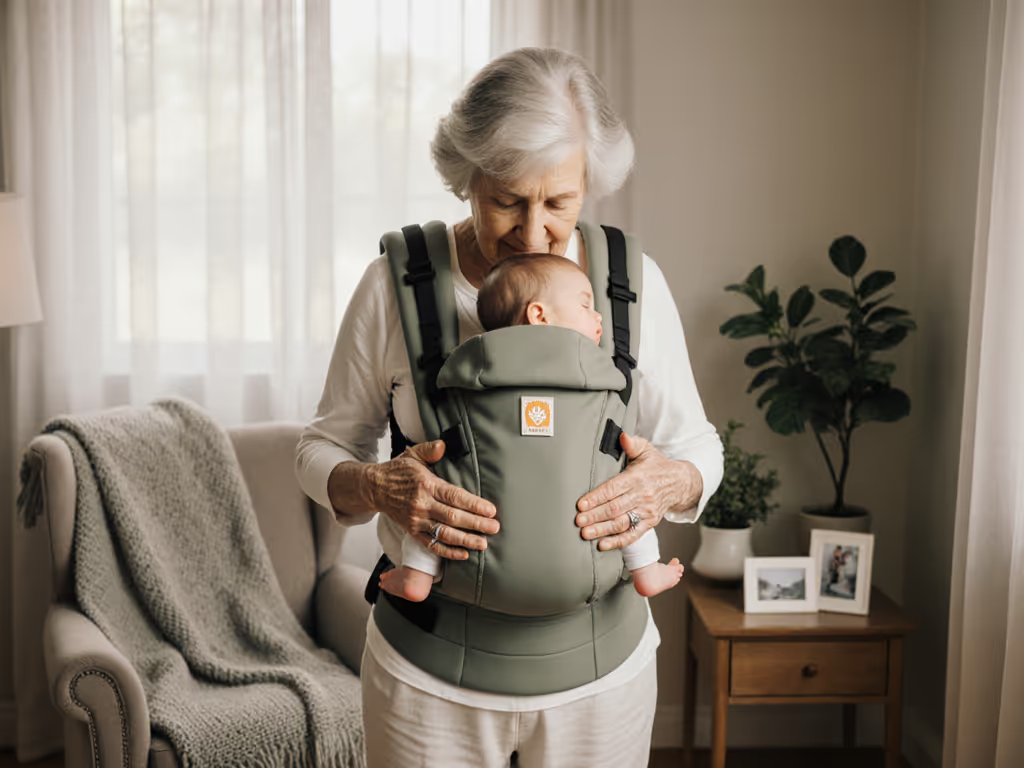
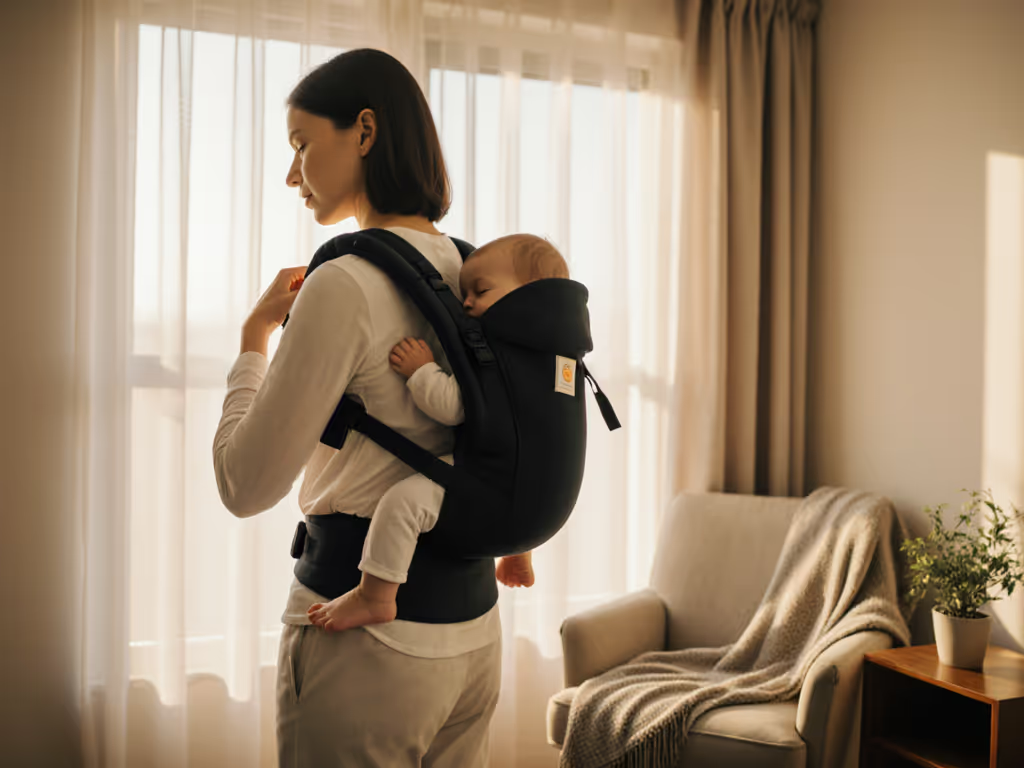
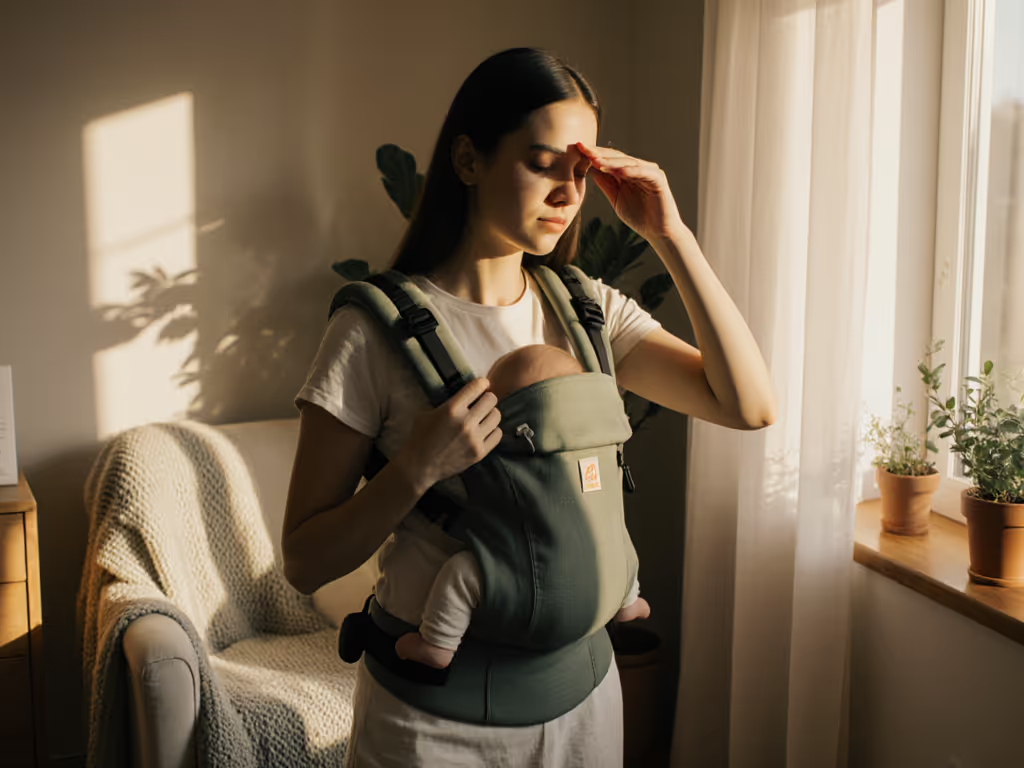
Babywearing offers grandparents a cherished opportunity to bond with grandchildren while keeping hands free for daily tasks. For seniors managing arthritis or reduced mobility, selecting the right carrier and following safety protocols ensures both comfort and security. This guide combines ergonomic principles with practical adaptations, prioritizing mutual well-being through every stage.
Safety Protocols Adapted for Senior Carriers
Universal babywearing safety remains non-negotiable, but grandparents benefit from simplified checks:
- T.I.C.K.S. Rule Optimization (derived from UK Sling Consortium guidelines):
- Tightness: Secure enough to prevent baby slumping; test by pressing gently on the back. Reduces re-adjustment strain.
- In View: Position high on the chest for effortless visual checks without neck craning.
- Kissable Height: Ideal for seniors with limited shoulder mobility (no reaching required).
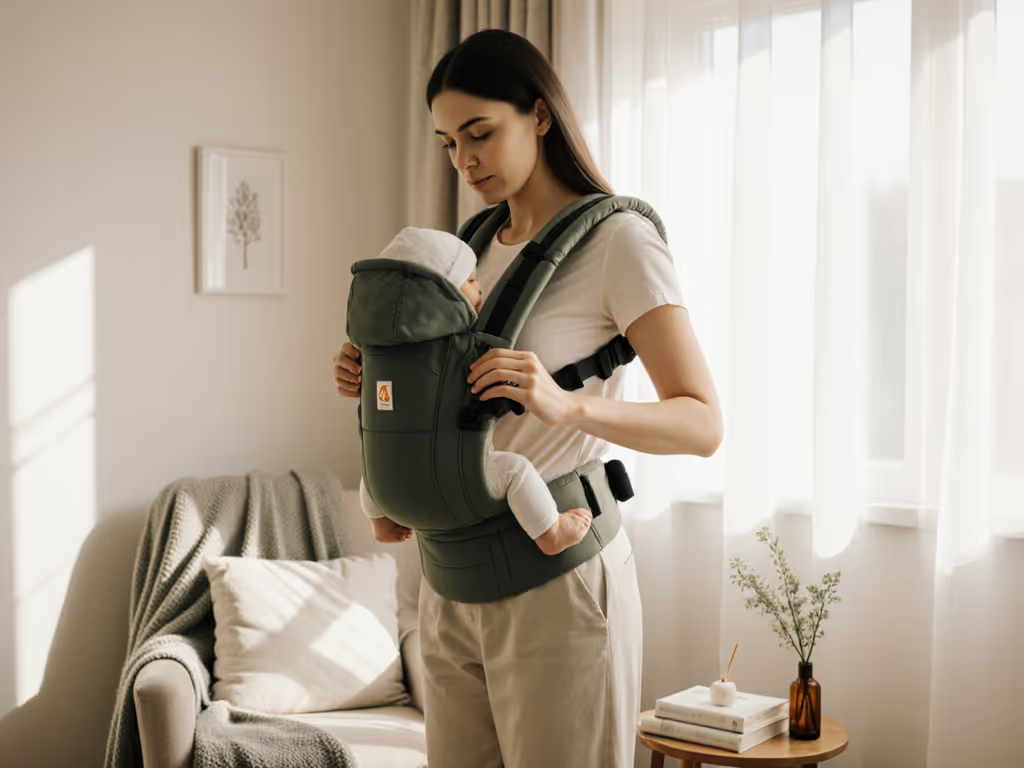
- Airway Priority: Maintain a finger's space between chin and chest, with fabric never covering the face.
- Hip-Safe Positioning: Ensure knees higher than hips (M-shape) to avoid hip stress.
For grandparents, avoid complex wraps requiring behind-the-back maneuvers. Opt instead for carriers with front-buckle systems to minimize joint strain during setup.
Arthritis-Friendly Carrier Features
Carrier design directly impacts accessibility. Prioritize these elements:
| Feature | Benefit for Arthritis | Implementation Tips |
|---|---|---|
| Waistbelt Design | Reduces lower-back pressure | Wide, padded belts with pull-forward tightening (e.g., Ergobaby Omni's lumbar support) |
| Adjustable Straps | Avoids overextension | Two-tier shoulder straps (crossed/backpack style) with glide buckles |
| One-Handed Mechanics | Lessens hand fatigue | Slider-based seat adjustments (no pinch clips) |
| Lightweight Fabric | Lowers load on joints | Mesh or breathable cotton under 2 lbs (e.g., Lillebaby Complete) |
Carriers like the Baby Tula Free-to-Grow allow width and height adjustments via front panels, eliminating behind-the-neck reaches. For model specifics and fit tips, see our Tula Free-to-Grow review.
Grandparent-Specific Safety Checklist
Apply this during every wear:
- Pre-Carry Setup: Sit while strapping the waistbelt. Use a table for carrier placement.
- Torso Test: After securing baby, lean forward slightly. If the child stays snug against you, the fit passes.
- Weight Distribution: 70% support from the waistbelt, 30% from shoulders to reduce joint stress.
- Timed Sessions: Limit wears to 20–40 minutes initially, increasing as comfort allows.
Ergonomic Positioning for Shared Comfort
- Newborns: Use inward-facing position with head support. A rolled muslin under baby's bottom boosts height without carrier rethreading.
- Toddlers: Back carries balance weight but may require assistive tools like door anchors for safe mounting.
- Posture Preservation: Bend at the knees (not the waist) when lifting. A wall-supported squat minimizes wrist load. If back pain is a concern, explore our spine-healthy carrier picks tested for lumbar support and weight distribution.
Support the caregiver, support the bond (micro-adjustments foster longer, safer connection).
Confidence Through Practice
Begin with short sessions using a weighted doll to refine technique. Seek carriers with inclusive tutorials; Baby Tula's video library demonstrates seated adjustments. If something still feels off, our babywearing troubleshooting guide walks you through quick fixes. Remember, comfort is teachable, and small adaptations yield profound joy in grandparent-grandchild bonding.
Related Articles